


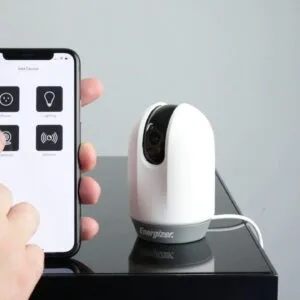


The world of smart home technology has certainly evolved, and as we look toward the future in 2025, it’s clear that smart home hubs will play a pivotal role in connecting various devices and enhancing our daily lives. Starting with small yet powerful centers of connectivity, these hubs are designed to streamline the way we interact with our home environment. They work as the heart of a smart home, enabling multi-room control and personalized settings that can adjust lighting, security, and other critical home features with just a simple switch.
This guide provides a complete overview of the top smart home hubs of 2025, taking a closer look at how innovative companies like Samsung and Amazon have risen to the challenge of creating user-friendly devices. These systems aren’t just good for controlling lights or plugs; they incorporate built-in backups and features that allow devices to communicate nicely across a wide range of platforms. With the introduction of technologies like Thread protocol, users can look forward to incredibly reliable connectivity, ensuring that their devices remain operational, even in the face of network issues.
For those who are new to smart living or are counting on using a smart hub as an entry point, our review emphasizes not only the functionality but also the future-proof aspect of these devices. Some hubs are more expensive but offer a range of options for customizing your home ecosystem. They let you guard against obsolescence with upgrades and enhancements, ensuring they remain relevant as technology rapidly advances. As we embark on this journey towards a smarter home in 2025, let’s keep in mind the pivotal role that these hubs will play in our lives.
How to Choose the Right Smart Home Hub
When looking to enhance your smart home experience, one of the most important decisions you’ll make is choosing the right smart home hub. There are several factors to consider, such as compatibility with other devices, pricing, and how natural the setup process is. For example, Amazon’s Echo Plus and Google Nest Hub are popular options that offer huge compatibility with various smart products, from lights to security cameras.
First and foremost, check the compatibility of the hub with the devices you’re planning to use. Some hubs function as bridges between different products, while others may only support specific brands like Philips Hue or Abode Security. If you’re an enthusiast looking to connect multiple brands, ensure that the hub supports those ecosystems. Otherwise, you might find yourself limited in what devices you can control, which could lead to a less-than-ideal experience.
Next, consider whether you want a touch-screen hub or a software-only option. Touchscreens can provide a more intuitive interface for managing your home but could make the hub more expensive. Alternatively, many software-only solutions can be set-and-forget, requiring minimal interaction once they’re configured. These options can be ideal for users looking to keep their control centralized without too much hands-on involvement.
Pricing is another mandatory aspect to look at. While some hubs are designed with premium features and functionality, you should consider what you realistically need for your home. Google Nest and Amazons offerings vary widely in price, so you can find a solution that fits your budget. You might also want to spend a little more for features such as ambient lighting or enhanced security settings. Always compare packages and read user reviews to avoid potential troubleshooting headaches in the future.
Finally, consider the final setup process. Some smart home hubs require a lengthy installation, while others provide a clean and simple setup. Look for those with easy-to-follow instructions and responsive customer support, as this will make your experience much more enjoyable. Take your time to research and find a hub that meets all your requirements, ensuring that your smart home journey starts off on the right foot.
Understanding Compatibility with Devices
When diving into the world of smart home hubs, one of the most crucial aspects to consider is compatibility with your devices. A smart home system thrives on connectivity, and ensuring that everything from your thermostat to your smoke detector can communicate effectively is essential. Owners of smart devices often love the idea of a seamless, integrated system, but they can’t overlook the importance of choosing a hub that supports their current gadgets.
For example, if you’re starting your journey with a device like the Aqara CA-10 thermostat, you’ll want to check if your chosen hub can manage it natively. Sometimes, certain hubs offer only software-only commands that might not provide the real functionality you expect. Instead, look for systems that allow seamless integration with a variety of platforms. This ensures that you’ll be able to manage everything quickly and easily, making your home truly smart.
In your space, swift connectivity among devices like sensors, smart speakers, and even double-keypads can elevate your experience. Imagine using your voice to command a whisper-quiet speaker while the lights in your coffee table area dim instantly. Devices like the Pico smart control let you anchor multiple connections together, allowing you to manage your home’s ambiance effortlessly. If you’re worried about uptime, selecting hubs known for their reliability, like the ones offered on sites such as Amazon, can be a smart move.
Additionally, devices such as smart smoke alarms often work better with hubs that prioritize compatibility. You wouldn’t want a system that abruptly shuts down or has connectivity issues. Remember to look for hubs that facilitate action messages promptly, ensuring you remain informed at all times. With the right combination of technology, your smart home investment can drive efficiency and create a harmonious living environment.
Evaluating User Interfaces and Usability
When diving into the world of smart home hubs in 2025, evaluating user interfaces and usability is essential. The aim is to create a system that meets the needs of users, making their smart homes more efficient and enjoyable. Whether you are a fan of Google or prefer the offerings from Aqara, understanding how these devices integrate into your daily tasks can make all the difference.
The leading smart home hubs have launched interfaces designed natively for voice-centric control. This means users can issue commands more naturally, whether that’s adjusting the thermostat or locking the door. For example, the Google Nest Hub offers a great combination of voice commands and visual feedback, nicely covering tasks like streaming music or managing automations all in one place.
Compatibility is another factor that influences usability. Many devices, such as smoke detectors and locks, need to work seamlessly together. If a hub flips between multiple systems but hasn’t managed to bring them together, it can be frustrating. User placement of these devices, along with thoughtful installation, plays a crucial part in ensuring a smooth experience. Some of the biggest names in the market also charge fees for premium features, which might add a drop in value for users looking for a straightforward experience.
- Aqara Hub M2 – Great for homes that need a hybrid of Zigbee devices.
- Amazon Echo Show 10 – Offers a nice balance of voice commands and display.
In a landscape where smart home technology continues to expand, the focus is on creating systems that are not only powerful but also user-friendly. As users look to integrate ambient intelligence into their homes, systems that allow them to manage tasks effortlessly will lead the charge. Those who understand the balance of usability and functionality will undoubtedly have the most rewarding smart living experience.
Assessing Security Features and Protocols
When diving into the world of smart home hubs, assessing their security features and protocols is a crucial step. As manufacturers push the boundaries of technology, ensuring what’s inside those shiny packages becomes more important than ever. Whether you’re at home during a sunset or away on vacation, knowing your devices can protect you from intruders is essential.
Smart home hubs that offer robust security features typically utilize a combination of wifi and cellular connectivity. This dual approach ensures that even if your wifi goes down, your critical devices remain connected. For instance, Vivint provides a comprehensive security system with cellular backup that excels in maintaining a stable connection. This way, you can monitor your home in real-time through your iPhone or other devices.
| Yale Assure Lock 2 | Bluetooth and Wifi connectivity | $199.99 |
| August Smart Lock Pro | Secure Bluetooth connection | $279.99 |
| Ring Video Doorbell Pro 2 | Real-time video and alerts | $249.99 |
| Arlo Pro 4 | Cellular backup and motion detection | $199.99 |
What’s more, as the world increasingly embraces smart living, the requirement for these devices to integrate seamlessly with other setups is key. Newer hubs often come with natively controlled drivers that communicate with various machines around your home, making it easier to manage everything from lighting to security cameras. This broad connectivity lets you create a wellness environment, enhancing your lifestyle while providing peace of mind.
For those who prefer a more luxury approach, smart hubs that include controlled mounts or mirror setups offer a unique way to blend technology into your home decor. However, be aware of the limited options available at different pricing levels. Spending a little more might ensure you get a better processor, capable of handling multiple tasks without lagging. Thus, a well-reviewed hub like the Hubitat Elevation allows for neutral zone control, giving you peace of mind against potential risks.
Overall, it’s essential to evaluate the security features of a smart home hub to ensure you’re protected against intruders while enjoying the convenience they offer. With the growing number of devices on the market, staying informed about security protocols will enable you to make choices that are not just functional but also secure for you and your family.
Considering Smart Home Ecosystem Integration
When diving into smart home technology, it’s essential to consider how different ecosystems, like HomeKit and Google Home, work together. A bunch of products on the market today, like the Nanoleaf smart bulbs and HomePod, seamlessly integrate into these ecosystems, making your life easier. The key is to find devices that play well with each other, creating a cohesive operation. For example, when your security cameras detect intruders, they can alert your phone or even engage your smart lights to scare them away.
With the rise of technology, several dealers offer bundled packages that combine multiple devices into a single account and installation. This could include battery-powered smart sensors, security cameras, and even smart switches like the Aboderf Pico. These bundles save you both time and money, and often come at a more affordable price compared to purchasing items individually. Purchasing from platforms like Amazon ensures that you’re getting pro-grade equipment that’s easy to install and set up.
For many homeowners, the allure of an always-on system, where components like smartsensors and multiroom audio run locally, is hard to resist. With clever logic, your home can react quickly to both your needs and preferences. Imagine being able to flush out the noise when you want to play your favorite tracks on a Homey system or using a simple code on your phone to control everything from the palm of your hand.
Don’t overlook the importance of user-friendly installation. Many modern devices are designed for quick setups, eliminating the headache that often comes with expensively installed systems. Whether you’re taking advantage of smart mounts for your cameras or exploring innovative features of the CA-10 smart hub, the focus remains on creating a personalized smart home that truly fits your lifestyle.
Budgeting: Finding the Best Hub for Your Needs
When it comes to creating a smart home, budgeting is crucial. Finding the right hub can make your life much more convenient, bringing together various components like lighting, HVAC, and security monitors into one reliable center. If you’re considering options available in 2025, you’ll want to look for units that fit your budget while offering enough functionality for your entire household.
One popular choice is the Amazon Echo Plus, which supports Alexa devices and offers seamless integration with other smart gear. You’ll find it’s easy to control everything with your phone or through voice commands. With an installation time of just a few minutes, you won’t have to worry about a complicated setup process. It’s a true set-and-forget device that will quickly make your daily routines a lot easier.
For those who prefer a more expansive ecosystem, the Google Nest Hub is a great option. It integrates with everything from Z-Wave panels to energy monitors. You can check your usage real-time, ensuring that you’re keeping your utility costs in check while conserving enough energy to feel good about your choices. This hub not only acts as a smart hub but can also double as a digital photo frame, adding personality to your wall.
Don’t forget to consider the budgetary impacts of your choice. While some units may seem less expensive upfront, they might require additional components down the line–adding boxes and storage solutions that can eat into your budget. Always check to ensure the hub you choose is compatible with the devices you currently own or plan to buy. For example, if you’re already using smart lighting from Philips Hue, ensure that your chosen hub supports it. The right hub will power all of your devices together without the need for excessive spending.
With options like the Samsung SmartThings Hub, you can manage everything from HVAC systems to your home’s security seamlessly. Users frequently report enjoying real-time control and monitoring, making this a reliable choice for smart households. By investing in the right smart hub now, you’ll be able to maximize convenience and efficiency, allowing you to enjoy peace of mind knowing you’ve made a wise choice. So take the time to visit stores, read reviews, and account for all necessary components while you’re budgeting for your smart home setup!
Future-Proofing Your Smart Home Setup
In 2025, future-proofing your smart home setup is all about making wise picks and understanding the technology landscape. When you’re commissioning smart home units, whether it’s a Samsung SmartThings Hub or a third-party solution that blends smoothly with your existing router, it’s crucial to think ahead. A strong foundation will ensure that your system can manage various tasks across different rooms and will remain compatible with future updates.
Consider investing in a hybrid solution that integrates both proprietary and open protocols. For example, units like the Philips Hue Bridge offer seamless integration with Zigbee and Wi-Fi technology, making them perfect for managing smart lighting without breaking the bank. For more extensive setups, a pico relay can help control multiple devices and ensure everything is covered efficiently over a wireless network.
Picking devices compatible with each other is vital. You want to ensure your smart home doesn’t become a bunch of disparate units that can’t communicate. Look for smart home gadgets that use popular standards, like Z-Wave or Zigbee. They typically perform better and allow for a more cohesive smart home experience. Recent products, like the Aqara Smart Sensor series, are examples of devices that can join your network seamlessly, keeping everything in sync.
In terms of interior design, the flush and peel-and-stick options available today make it easier than ever to hide your smart home tech. Companies have made significant strides in this area, offering devices that fit effortlessly into your home decor without being intrusive. With updates rolling out every few months, you can enjoy faster processing and new features that keep your smart home at the cutting edge.
Lastly, remember to focus on future expansion; your smart home should adapt as your needs evolve. Choosing a central hub with good processor power will ensure your home remains responsive, even if you add more devices over time. With thoughtful planning and the right components, your smart home setup will not only work efficiently but continue to grow alongside technological advancements.
Questions and answers:
What features should I look for in a smart home hub in 2025?
In 2025, when selecting a smart home hub, it’s important to consider compatibility with various smart devices, such as lights, thermostats, and security systems. Look for hubs that support popular protocols like Zigbee, Z-Wave, and Wi-Fi to ensure seamless integration. Additionally, consider hubs that offer robust security features to protect your personal data. A user-friendly interface and the ability to create automated routines or scenes can enhance your experience. Finally, check for regular software updates, as these can bring new features and improve security.
How do smart home hubs improve home security?
Smart home hubs can significantly enhance home security by allowing users to connect and manage multiple security devices from a single interface. This includes security cameras, smart locks, motion sensors, and alarm systems. Many hubs enable users to set up automated alerts and notifications for unusual activity, giving peace of mind even when you are away. Furthermore, some hubs provide options for remote monitoring and control, allowing homeowners to check the status of their security systems in real-time via smartphone apps. This centralized control not only simplifies management but can also trigger coordinated responses among devices in case of a security breach.
Can I use multiple smart home hubs together?
Yes, it is possible to use multiple smart home hubs within the same household. However, this can lead to configuration complexity, as you’ll need to manage devices across different platforms. Some users choose to do this to leverage specific features or capabilities that a particular hub might offer, as different hubs often excel in different areas. If you opt to go this route, ensure that your hubs can communicate with each other effectively and that the devices you want to use are compatible with each hub. It may also be beneficial to utilize a central app or platform that can integrate commands and control from multiple hubs.
What are the top brands of smart home hubs to consider in 2025?
In 2025, several brands stand out in the smart home hub market. Amazon’s Echo Plus offers an excellent range of features and compatibility with a multitude of smart devices. Google’s Nest Hub is favored for its user-friendly interface and integration with Google Home services. Samsung SmartThings provides extensive automation capabilities and a wide array of compatible devices. Additionally, Apple’s HomePod mini is a popular choice for those within the Apple ecosystem, focusing on security and privacy. Each brand has its strengths, so it’s advisable to consider your existing smart home setup and what devices you plan to integrate when choosing a hub.


