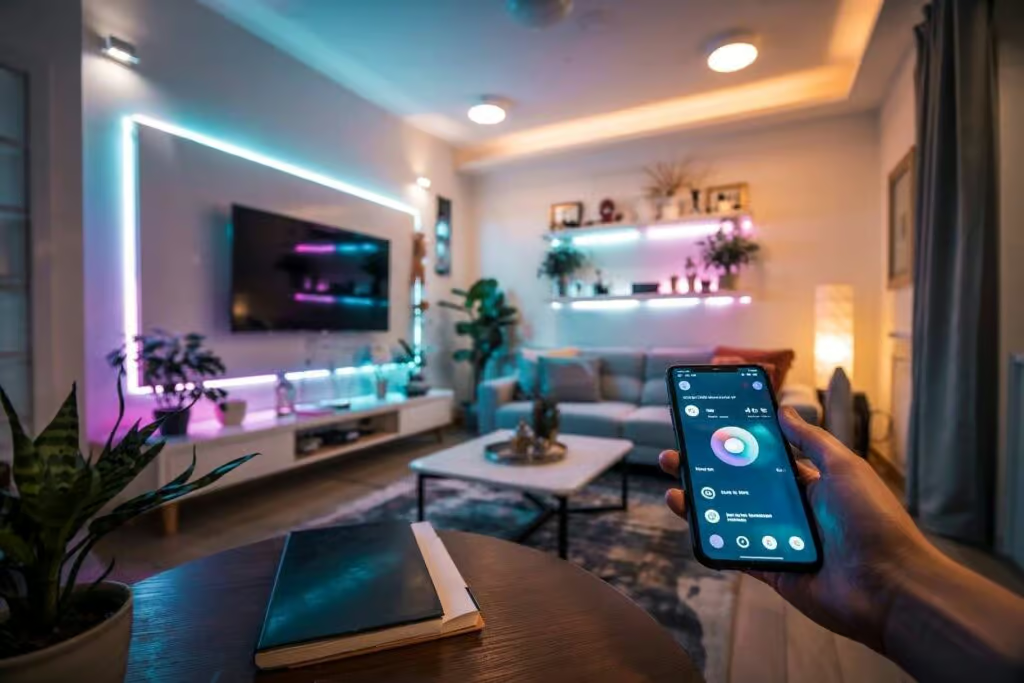




In an increasingly sophisticated world, smart home technology continues to evolve, offering a myriad of devices that can enhance our daily lives. While some devices have garnered significant attention, there are many underrated gadgets that can make a great difference in your home. This article explores ten innovative solutions that not only integrate into your lifestyle but also ensure a cohesive and efficient living environment.
One of the first steps in creating a truly smart home involves selecting the right types of devices that suit your needs and preferences. From advanced air quality monitors that help verify humidity levels to smart lawnmowers that maintain your garden with minimal effort, these devices are designed to simplify daily routines. With the reliability of modern appliances, you can easily set up automations that adjust heating, unlock doors for visitors, or even manage your streaming speakers, all while you enjoy a simpler, more efficient home.
As you explore the available options, consider how each gadget can contribute to your home’s functionality. For example, Philips offers sophisticated lighting solutions that can be controlled via voice commands, ensuring that you can contact your home systems seamlessly, probably through Alexa or similar smart assistants. This flexibility and ease of use demonstrate evidence of how smart home technology can adapt to your lifestyle, providing both convenience and efficiency in every facet of your life.
3 Motion Sensors That Enhance Your Home Automation
Motion sensors play a critical role in making your home smarter and automating everyday tasks. Using these devices can significantly improve your lifestyle by reducing waste and time spent on mundane activities. In 2023, several smart motion sensors are available that combine advanced technology with ease of use, making the transition to a smarter home simpler.
One such device worth checking out is the Aqara Motion Sensor. This sophisticated device offers seamless integration with platforms like Apple HomeKit, making it easier to automate actions such as turning on lights or adjusting the climate control when someone enters a room. The Aqara sensor operates through a cloud connection and has the capability to check for movement in an array of different environments, whether it’s your front door or upstairs.
Another great option is the Philips Hue Motion Sensor, which enhances the smart lighting experience. This motion detector not only activates your lights automatically but can also connect to your Wi-Fi network and integrate with other smart devices. It supports automations that help you configure lighting based on your daily activities, like ensuring lights are off when you’re not home, hence improving energy efficiency.
Lastly, consider the Ecobee SmartSensor. This piece of tech goes beyond detecting motion; it also monitors temperature and can adjust your HVAC valves accordingly. When it detects that someone is home, it can send reports to your Ecobee thermostat, allowing it to optimize your home’s climate. This continuous awareness helps in automating your home environment, making daily living even more comfortable.
Incorporating these motion sensors into your home doesn’t just simplify your tech setup; it also adds a layer of sophistication. By leveraging their various uses, you can create smart automations that work seamlessly together–turning your home into a truly responsive living space.
Choosing the Right Motion Sensor for Your Needs
When it comes to streamlining your smart home setup, selecting the right motion sensor is a critical step. These devices operate under various conditions and serve different purposes. For example, some sensors are designed to detect movement in the dark, while others are useful for monitoring your premises during the day. Ensuring you choose the right type can really enhance the safety and functionality of your home.
Amazon offers several options that allow you to easily integrate motion sensors into your existing network. The Amazon Echo Flex, for instance, acts as a smart hub that syncs with Alexa for voice command scheduling. This device can help automate your appliances based on movement detected in various rooms, creating a seamless experience. Additionally, Apple HomeKit and Google Home platforms provide their own motion sensor solutions, enabling you to lock-in the technology that best fits your lifestyle.
Wired sensors tend to be more reliable than their wireless counterparts, especially in larger houses where Wi-Fi signals may fade. However, many modern wireless detectors, such as the eufy Security Motion Sensor, come with impressive ratings and are capable of working with both Apple and Windows networks. After installation, these devices can provide valuable backup during potential leaks or intrusions, making your space feel safer.
Another smart device to consider is the Philips Hue Motion Sensor. This product allows you to create different lighting modes based on detected activity, ensuring your rooms are well-lit when you enter and cozy when you’re away. Adding intelligent motion detection not only helps with energy savings but aligns with modern lifestyles that rely on automation. With the right setup, your home can be both functional and inviting.
Integrating Motion Sensors with Your Smart Ecosystem
Motion sensors play a crucial role in creating a smarter home environment. These tiny devices can significantly enhance your home’s ambience by detecting movement in various areas. By integrating them with your existing smart ecosystem, you can achieve better security, comfort, and convenience. Companies are now offering affordable yet advanced products that serve multiple purposes, making homeowners’ lives easier.
When it comes to choosing the right motion sensor, you might want to consider products like the Philips Hue Motion Sensor, which connects through Wi-Fi and allows for seamless scheduling of lighting events. This sensor literally transforms how you interact with your home by automatically adjusting lights based on your movement, promoting a comfortable atmosphere. Additionally, you could opt for the Ring Spotlight Cam, which not only protects your front door but also sends alerts to your phone when it detects motion. This feature provides an added layer of security that matters to most homeowners.
Integrating motion sensors can also involve connecting them to a central controller, which enables multi-room capabilities. For instance, the Samsung SmartThings Hub allows you to link various smart devices, including motion sensors, vacuums, and smart lights. This ensures effective communication among devices, allowing them to work together harmoniously. Furthermore, hardwired sensors can be a reliable backup for Wi-Fi-based ones; if the internet goes down, your wired devices will still function smoothly.
Ultimately, understanding how motion sensors fit into your smart home ecosystem can empower you to make intelligent choices. Whether you seek enhanced security or simply want to automate your daily routines, integrating motion sensors into your setup could be the ultimate way to elevate your home experience. There are plenty of cheap options out there that provide excellent capabilities without breaking the bank, so take the time to explore and invest in these advanced devices.
Best Features to Look for in Motion Sensors
When exploring the world of smart home devices, motion sensors play a crucial role in optimizing home security and automations. Homeowners should prioritize certain features to ensure they make the best investment. One key feature is reliable monitoring; many experts recommend models that provide a wide range of detection capabilities and are capable of processing information quickly, especially during an outage. This reliability can save you a tonne of hassle in the long run.
One aspect that matters is how these devices enable integration with additional systems, like smart lighting or security cameras. Look for motion sensors that are compatible with third-party devices, as they can enhance your home automation setup. For instance, using multi-sensor options can reduce the number of devices needed, making it easier to maintain your system. Consider models that are fitted with encryption to protect your data from unauthorized access, ensuring your home remains safe.
Additionally, ease of mounting is essential for homeowners looking to place their sensors strategically. Whether you want to keep decorations in mind or ensure your sensor fits in a particular location, a robust design that allows for simple installation is a must. Some sensors even come with plugs that optimize power consumption, which can help reduce your energy bills.
| Philips Hue Motion Sensor | Wide coverage, compatible with Philips Hue lights, automation settings | View on Amazon |
| Ring Motion Detector | Reliable monitoring, integration with Ring cameras, encryption | View on Amazon |
| Arlo Smart Home Motion Sensor | Multi-sensor capability, energy-efficient, third-party compatible | View on Amazon |
In summary, when selecting motion sensors for your smart home, keep in mind the need for robust functionality, reliability, and compatibility with your existing systems. By prioritizing these key features, you can create a comfortable and secure living environment while utilizing your smartphone for remote access and monitoring. Remember, the right motion sensor can enable a lot of smart automations, making your life easier and more efficient!
Common Installation Mistakes to Avoid
When setting up underrated smart home devices, it’s essential to be mindful of common installation mistakes. Many people often jump into the process without considering what the environment will require, leading to complications down the line.
One critical area is loading high-consumption products onto a single outlet. For example, if you’re plugging in multiple devices into one power strip near your television, you may overload the circuit and create a fire hazard. Consider using smart plugs like the TP-Link Kasa Smart Plug that come with built-in protection and efficiency features to manage the load better.
Another common issue is failing to update the firmware of your smart gadgets. Many forget that a device’s potential capabilities can significantly enhance with the latest updates. By regularly checking for updates in your cloud-connected devices, such as the Tado Smart AC Control, you can avoid performance issues and ensure your device is working at its best.
Mounting smart devices like cameras or audio gadgets can also be complicated if you don’t plan ahead. Make sure to choose spots that are not only convenient but also cover critical areas. For instance, if you are installing a security camera, it should be near entry points to detect motion effectively at night. Using mounts that abide by industry standards ensures they can handle different environmental conditions.
Additionally, never underestimate the importance of wire organization. Disorganized wires can not only be an eyesore but also present a risk to children and pets. Organize them mindfully with cable management solutions, creating a tidy space that is safe for everyone.
Lastly, when setting up audio devices, be thoughtful about the placement of speakers. They should be positioned for optimal sound quality without being too close to walls or corners. This allows you to enjoy your favorite music or movies without compromising audio experience.
By being aware of these common installation mistakes, you can set up your smart home devices effectively, ensuring they work smoothly and enhance your living space in a powerful way.
How Motion Sensors Can Save Energy and Costs
Motion sensors are among the most underrated smart home devices available today. These small yet powerful modules can drastically reduce energy consumption and help you save money. By detecting the presence of people in a room, motion sensors are able to control lights and other electronic devices effectively. For example, Philips Hue motion sensors can automatically turn off lights once the room is empty, ensuring that you don’t accidentally leave them on and waste energy.
Many users prefer to integrate motion sensors with third-party smart home systems like HomeKit or Google Assistant. This allows for central control of various devices and consistent performance. By selecting the right sensors that match your needs, like the Ring door/window sensors, you can create a smart home that not only saves energy but also enhances security. Additionally, having motion sensors can allow you to set up alarms for your doors, which will notify you via a backup system in case of any unusual activity.
When it comes to installation, these sensitive devices do not require any complicated wiring, making them a user-friendly option. You can place them anywhere–by the entrance, in hallways, or even near decorations to ensure that the lights react according to your behavior as you move around the house. With a wireless protocol in place, the cloud can assist with learning your patterns over time, helping to optimize energy consumption without any hassle.
Consider upgrades that connect to your router for seamless operation. For example, products like the Aqara Motion Sensor or the Wyze Cam V3 have ratings and reviews highlighting their efficiency in energy conservation while enhancing your home’s capabilities. These tech upgrades are designed to disable unnecessary energy consumption and provide maximum value from your smart home system. Whether you are looking to monitor guest behavior or simply want a smarter way to control lighting, motion sensors are an excellent choice to consider in your smart home setup.
Questions and answers:
What are some underrated smart home devices mentioned in the article?
The article highlights devices like smart water leak detectors, smart doorbells with package notifications, smart air quality monitors, and smart light switches as underrated options for enhancing home automation in 2023. These devices improve home safety, convenience, and comfort in ways that are not always recognized.
How can a smart water leak detector benefit my home?
A smart water leak detector can alert you to potential leaks before they cause significant damage. By placing these sensors in areas prone to water issues, such as under sinks or near appliances, you can receive immediate notifications on your smartphone about leaks or moisture. This proactive approach can save money on repairs and protect your home from water damage.
Are smart air quality monitors necessary, and what do they do?
Smart air quality monitors are valuable for individuals who are conscious about indoor air quality. They track various pollutants, including humidity, VOCs, and particulate matter, giving you insights into your home environment. By monitoring air quality, you can take action to improve it, such as using an air purifier or adjusting ventilation, which can be particularly beneficial for those with allergies or respiratory issues.
What advantages do smart light switches offer compared to traditional switches?
Smart light switches provide greater control over your home lighting. Unlike traditional switches, they allow you to control lights remotely via a smartphone app or through voice commands. You can set schedules, create lighting scenes, and even monitor energy usage. These features enhance convenience and can help manage energy consumption more effectively, leading to potential savings on electricity bills.