




Listen to this article
Welcome to the world of smart home technology, where advance features and devices work together to create a lifestyle that is as flexible as it is enjoyable. Here, you can find solutions that can help you stay comforted and entertained in your living space. This guide will show you how to expand the capabilities of your home, making simple tasks easily manageable with just a few taps on mobile devices like phones or tablets.
- Choose compatible devices and a reliable smart hub to ensure seamless integration and long-term functionality.
- Prioritize network strength and security with a robust router, firmware updates, strong passwords, and separate IoT networks.
- Start small with essential devices, automate routines gradually, and expand based on actual needs and budget.



Whether you’re interested in smart bulbs that dance to your favorite music or smart doorbells that enhance communication, the benefits of upgrading your home are profound. From personalized schedules that adjust the temperature in accordance with your day’s routine to high-definition cams that keep an eye on your porch, the possibilities are exciting. But with many options coming to the market, it’s essential to choose devices that offer strong compatibility with existing systems, like those from Samsung, and adhere to recognized standards.
The overwhelming options can sometimes present specific problems when it comes to integration. Yet, focusing on easy-to-use features and supported platforms like Android will help you avoid the limits of a complicated setup. Here, you’ll learn to navigate your choices wisely, ensuring each device supports best practices for security and functionality. Let’s dive into how to make your home not just smart, but truly advanced, allowing you to relax and enjoy life’s entertainment without disruption from outages or unsophisticated gear.
Understanding Smart Home Technology
Smart home technology is rapidly transforming the way we live, making our households more efficient and enjoyable. The key to this automation lies in the various systems and platforms available today. Many people often find the idea of connecting different devices overwhelming, but understanding the basic features can simplify the process. Whether you’re using your smartphone, tablet, or even voice commands through a virtual assistant like Google or Amazon Alexa, controlling your environment has never been easier.
According to experts like Philips Giersiepen, these technologies allow us to turn our homes into personalized spaces that suit our mood. For example, with smart lighting systems, you can adjust brightness and color to set the perfect atmosphere for watching movies or hosting a dinner party. Smart hubs are capable of managing multiple devices, from security cams to thermostats, allowing seamless communication between them. By purchasing a few essential items, you can expand your smart home experience without major changes.
Many popular brands offer products that enhance automation, like smart plugs that let you turn devices on or off remotely, and smart speakers that can play your favorite tunes or movies on command. These devices work together to create a cohesive ecosystem. With subscriptions to streaming services, you can even access your movies and shows directly from your smart TV or streaming device, ensuring that entertainment is always just a voice command away.
It’s worth noting that the speed of your Wi-Fi router can greatly affect the performance of smart systems. Devices may not respond as expected without a good connection, so investing in a reliable router is a must. For those just starting with smart home technology, there are many budget-friendly options available on Amazon, from smart bulbs to basic security cams. As you grow your household’s tech, keep in mind how easy it is to further customize and control your environment!
What is Smart Home Technology?
Smart home technology refers to the integration of various devices and systems in your home that can be controlled and monitored remotely. This technology allows homeowners to enhance their lifestyle by making their living spaces more comfortable and efficient. With the ability to connect devices through a wireless connection, smart home systems provide convenience that was unimaginable just a decade ago.
At its core, smart home technology typically includes features such as smart lights, smart doorbells, and mobile apps that help you manage your environment. Products like the Philips Hue smart lamps or the Ring doorbell are popular examples. These devices allow you to control your lights or receive notifications whenever someone is at your door, all from the convenience of your mobile phone. For those looking to upgrade their homes, smart devices are an easy way to start.
When homeowners are considering smart technology, they usually choose devices that stay connected and working smoothly together. Systems like SmartThings provide a platform for connecting multiple devices, enabling you to control everything from lighting to security with simple voice commands or taps on your screen. This ease of use is essential, especially for beginners.
As smart home technology evolves, so do the features available. Many devices come with subscription services that allow for additional functionalities. For example, after connecting your smart thermostat, you may need to subscribe to a service that provides real-time weather updates so your home can adjust conditions based on what’s outside. This proactive management can lead to better energy efficiency and comfort for your family.
In practice, it all begins with scanning for the right devices that fit your needs. Identifying the three or four main features you want can simplify the choosing process. Whether it’s for watching movies with the perfect ambiance set by smart lights or getting alerts from your doorbell when someone arrives, smart home technology is designed to help you live more comfortably.
In conclusion, smart home technology is all about creating a connected lifestyle that enhances comfort and usability. By choosing the right devices, homeowners can easily upgrade their living spaces into smarter, more manageable environments.
Key Components of a Smart Home
Creating a smart home involves several key components that enhance convenience, security, and entertainment. Homeowners often start with the basics like smart lights, smart speakers, and security cameras. These elements work together through a central hub, like SmartThings, to automate different aspects of your living space.
One popular feature among homeowners is the smart doorbell. Products like the Nest Hello allow you to see who’s at your door through a mobile app, giving you secure access to your home, whether you’re in the kitchen or away on vacation. Wireless technology, such as Z-Wave or Wi-Fi, makes it simpler to integrate these devices without complicated wiring.
Smart speakers, like Amazon Echo, serve as a hub for controlling lights, appliances, and even your favorite movies or playlists. With voice commands, you can sync your entire entertainment experience or even automate tasks like turning down the thermostat. This not only makes your daily routine smoother but also helps to expand the functionalities of your devices.
Automation is another key aspect that can significantly benefit homeowners. By programming your smart devices, you could set them to perform specific actions at certain times, like switching on the lights after sunset or locking the door when you leave home. Gradually, every element in your smart home could be connected through systems that remember your preferences, offering a customized experience.
- Smart Lights: Philips Hue – Perfect for creating a cozy atmosphere.
- Smart Doorbell: Nest Hello – Keep your home secure.
- Smart Hub: SmartThings – Connect various devices easily.
- Smart Speaker: Amazon Echo – Your personal assistant for everyday tasks.
In conclusion, the key components of a smart home not only simplify your life but also enhance its security. Whether you’re automating your home or controlling it from your Android device, remember that the technology is here to make things easier. Explore different options and find the ones that suit your lifestyle the best!
Benefits of Smart Home Systems
Smart home systems offer a plethora of benefits that make your living space more connected and efficient. Imagine coming home and having your lights automatically switch on as the sun sets, creating a cozy atmosphere. Products like the Philips Hue smart lamps are perfect for this, allowing you to control the lighting via a mobile app or voice commands. They’re designed to seamlessly pair with your existing home ecosystems, ensuring everything works together harmoniously.
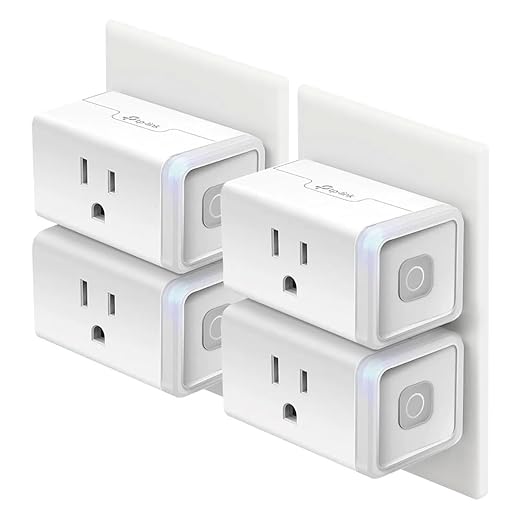
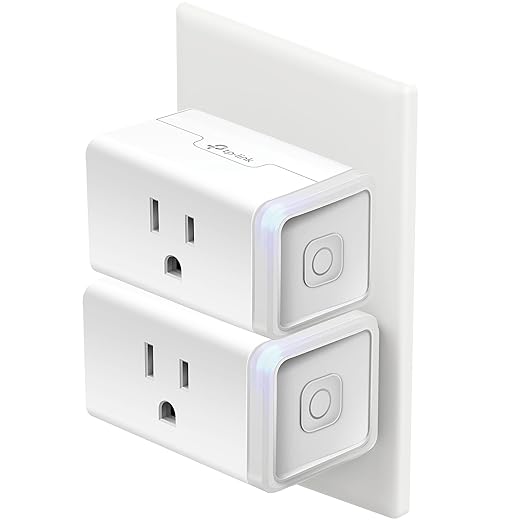
One of the key advantages of smart home technology is its ability to automate daily actions. With devices like the TP-Link Kasa Smart Wi-Fi Plugs, you can program your appliances to turn on or off at specific times–like starting your coffee machine at sunrise. This not only saves time but also ensures your home runs smoothly without requiring constant attention.
Having a stable connection is essential for any smart home setup. A reliable router, such as the Netgear Nighthawk, helps maintain the connection between your devices, reducing the risk of outages that could disrupt your daily routine. Once everything is set up, your smart home can keep you informed about your energy usage, saving you money in the long run while also being environmentally efficient.
Entertainment is another area where smart home technology truly excels. With products like the Amazon Echo Show, you can control your audio and video entertainment with just your voice. Whether you want to watch a movie or enjoy some music, having these devices integrated into your home creates a virtual entertainment hub that you won’t want to miss. Plus, as the market evolves, there are endless subscription services available to keep your content library expanding.
In conclusion, smart home systems provide a wide range of benefits that transform your living space into a more connected and automated environment. Whether it’s enhancing security, improving convenience, or simply making everyday tasks easier, investing in smart technology could significantly improve your quality of life.
Types of Smart Devices Available
After delving into the basics of smart home technology, it’s clear that the variety of devices available makes it easy to enhance your living space. Smart devices are designed to connect wirelessly, making installation straightforward and hassle-free. Homeowners can enjoy a more comfortable environment with simple shopping choices that cater to every need, whether you want smart speakers, lights, or locks. For instance, products like the Philips Hue lights change your home’s ambiance at the click of a button and can even dance in sync with your favorite sound.
Voice assistants like Amazon Echo and Google Nest have become household staples. They serve as the central hub of your smart home, allowing you to control everything from door locks to thermostats with just your voice. The pair of these devices creates a seamless network, ensuring that every room in your home is connected. They also offer regular updates, keeping your devices up to date with the latest features and security measures.
Smart locks, such as the August Smart Lock, provide peace of mind for families, ensuring that your home is always secure while you’re out and about. These locks can be controlled via smartphone apps, adding an extra layer of convenience to your routine. You can check the weather before heading out, set schedules for when to lock or unlock your door, and even grant temporary access to guests.
For those who love to entertain, smart speakers are a must-have. Products like the Sonos One allow you to play music in high-quality sound throughout your home. You can connect via WiFi and effortlessly play your favorite playlists while scrolling through your tablet. The sound quality is always top-notch, making every gathering a treat for your guests.
These devices are not just practical; they create a lifestyle of comfort. Imagine adjusting your home lighting based on your daily routines, where lights dim automatically for movie nights, or brighten during mornings to wake you up gently. The key idea here is to allow technology to work for you, making your home life easier and more enjoyable, no matter what you choose. With the right smart devices, your living space can transform into a futuristic haven that caters to your every need.
Setting Up Your Smart Home

Setting up your smart home can transform your lifestyle, providing comfort and convenience in a way that adapts to your specific needs. To begin this journey, it’s essential to grasp the basics of smart technology and how different devices can work together seamlessly. Start by assessing the rooms in your home and selecting the devices that matter most to you, such as smart bulbs, speakers, and security systems.
One of the best ways to enhance your living space is by utilizing smart assistants like Google Assistant or Amazon Alexa. These devices allow you to communicate with your home, controlling the settings of connected devices through simple voice commands. For instance, imagine telling your speaker to dim the lights for movie night or to turn up the audio volume while you cook.
To create an automated experience, consider developing schedules for your devices. You can set timers for your smart bulbs to turn on at dusk and off at dawn, providing both security and energy efficiency. Additionally, many smart devices can sync with each other, creating a network that responds to your commands in real-time. This means you can control all your devices from one app, simplifying your daily routines.
While setting everything up, it’s crucial to keep your networks secure. Look for devices that support strong encryption and have been on the market for years, as they usually provide reliable security features. Brands like Philips Hue and Ring offer products that have proven trusted performance and protect your home effectively.
Once everything is in place, take a moment to view the functionality of your smart devices and evaluate how they fit your lifestyle. With step-by-step guides available from various sources, it’s easier than ever to familiarize yourself with the assets at your disposal. Whether it’s setting up a thermostat that learns your habits or configuring a security camera to send you the latest news on your front door’s activity, your smart home can adapt to the conditions you desire.
By focusing on solutions that work for you, whether they involve indoor lighting or multi-room audio, you’ll find that a smart home is more than just a trend; it’s a real enhancement to your day-to-day living. Embrace this technology and enjoy a more convenient, connected home life.
Choosing the Right Smart Hub
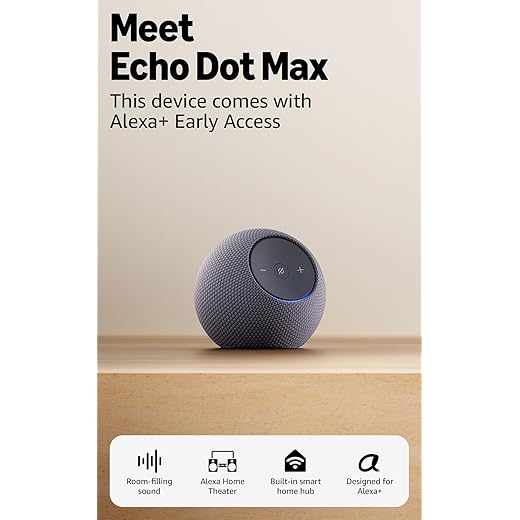
Selecting a smart hub is essential for building your smart home, as it acts as the central point for managing all your devices. When shopping for a hub, you’ll find that there are various options available, each with its own features tailored to different needs. Popular choices include the Amazon Echo Plus and the Samsung SmartThings Hub, both of which support multiple standards like Zigbee and Z-Wave. These hubs allow you to wirelessly connect devices like lamps, thermostats, and security cams seamlessly.
One of the first things to consider is compatibility. Not all devices will work with every hub, so it’s crucial to check the specifications carefully. For instance, if you’re looking to sync audio devices or manage lighting and temperature, make sure the hub can handle those requirements. Some hubs, like those from GMBH, also offer firmware updates to keep systems running smoothly and to prevent potential problems.
Thanks to smart home technology, setup has become a lot more convenient. You won’t have to spend hours scrolling through manuals; instead, many hubs offer user-friendly apps that guide you through the installation process. Once connected, you’ll notice how your daily tasks become more manageable, whether you wish to control your lawn lights from the front porch or adjust your thermostat from bed.
In addition to compatibility, think about what you want your smart hub to do. Some people might prioritize security and wish to integrate cams that show real-time footage. Others might focus on energy efficiency, making sure to monitor and manage their smart devices effectively. This personalized approach ensures that the smart home experience is suited to your preferences. Don’t forget to keep an eye on the latest news in smart home technology as changes and updates are constantly affecting the landscape!
Lastly, remember that investing in a smart hub is an investment in convenience and efficiency. By choosing the right one for your needs, you could transform your living space into a highly functional environment that adapts to your lifestyle. A well-chosen hub makes all the difference, so take your time to find the one that fits your requirements perfectly.
Questions and answers:
What is smart home technology, and how can it benefit my living space?
Smart home technology refers to devices and systems that connect to the internet and can be controlled remotely or automatically to help manage various household tasks. These technologies can enhance convenience, security, and energy efficiency in your living space. For example, smart thermostats allow you to adjust heating and cooling remotely, while smart lights can be programmed to turn on at specific times or respond to voice commands. These innovations can simplify daily routines and make your home more comfortable.

What are some common smart home devices I should consider purchasing?
There are several types of smart home devices that you might find useful. Popular options include smart speakers like Amazon Echo or Google Nest, which can play music, answer questions, and control other smart devices via voice commands. Smart security cameras and doorbells enhance home security by allowing you to monitor your property from anywhere. Smart plugs let you control everyday appliances remotely. Additionally, smart locks provide keyless entry, and smart thermostats help optimize energy use in your home.
Can I integrate all my smart devices into one system? How can that be done?
Yes, many smart home devices can work together seamlessly. To integrate them, look for a compatible smart home hub or platform, such as Samsung SmartThings, Amazon Alexa, or Google Home. These platforms allow you to control various devices from different manufacturers through a single app or voice interface. Check that your devices are compatible with your chosen hub and follow the manufacturer’s instructions for setup. This will simplify how you manage your smart home and create automation routines that enhance your convenience.
Are there any security concerns associated with smart home technology?
Yes, security is a valid concern when using smart home technology. Many devices are connected to the internet, which can make them vulnerable to hacking. To protect yourself, ensure that all devices are updated regularly with the latest firmware and software. Use strong, unique passwords for each device and enable two-factor authentication where possible. Additionally, consider setting up a separate Wi-Fi network for your smart devices to minimize risks. Always research the security features of devices before purchasing them.
What is the cost of setting up a smart home, and can it be done gradually?
The cost of setting up a smart home can vary widely depending on the devices you choose. Basic setups can start at a few hundred dollars, while more comprehensive systems can range into the thousands. It’s possible to start small, adding one or two devices at a time, and gradually expand your system as your budget allows. This approach allows you to explore different technologies and discover what works best for your lifestyle without overwhelming your finances or your space.
What types of devices can be integrated into a smart home system?
Smart home systems can include a wide variety of devices that enhance convenience, security, and energy efficiency. Common categories include smart lighting, which allows you to control your lights remotely or set schedules; smart thermostats for optimized heating and cooling; security cameras and smart doorbells for surveillance; and smart locks that enable keyless entry. Additionally, there are smart speakers for voice control, appliances like refrigerators and ovens that can be monitored or operated remotely, and smart plugs to control non-smart devices. Each of these products can communicate with each other and can often be controlled via a central app, making your home more interconnected and manageable.
How do I begin setting up a smart home?
Setting up a smart home does not have to be complicated; you can start with just a few devices and gradually expand as you become more comfortable. Begin by assessing your needs; for instance, if you want to improve home security, consider investing in smart cameras or doorbells. Choose a hub or platform that will connect your devices, such as Google Assistant, Amazon Alexa, or Apple HomeKit. Once you have selected a few products—like smart bulbs or a thermostat—install the necessary apps on your smartphone, follow the setup instructions for each device, and connect them to your home Wi-Fi network. Test the devices to ensure they work seamlessly together and consider adding more functionalities, such as automation and voice control, over time to create a fully integrated smart home experience.


