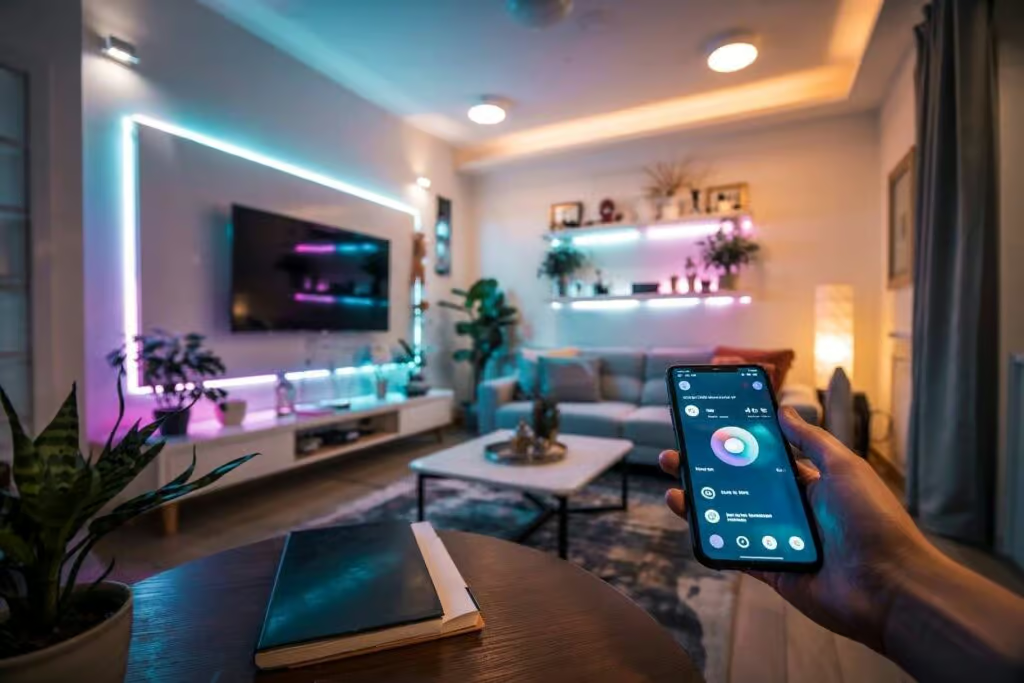


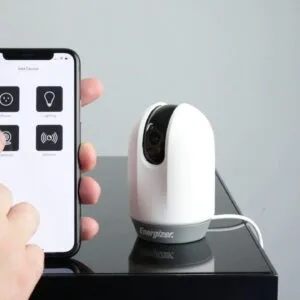


A smart hub is an essential component of a smart home ecosystem, acting as a centralized platform that enables seamless communication between various smart devices. These hubs can manage a wide range of devices, from lights and speakers to sensors and HVAC systems, all in one unit. The integration of different types of devices can enhance your home’s comfort and efficiency, making smart hubs a critical element in modern home management.
- Centralizes and coordinates diverse devices using multiple protocols for seamless automation, voice control, and unified management.
- Enhances security and convenience via smart locks, alerts, scheduling, and remote monitoring through certified, updateable systems.
- Offers customization and scalability with wired, wireless, cloud, or multi protocol hubs to improve energy efficiency and coverage.
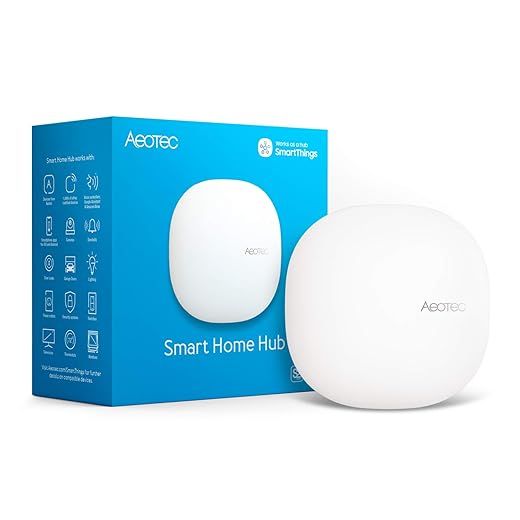
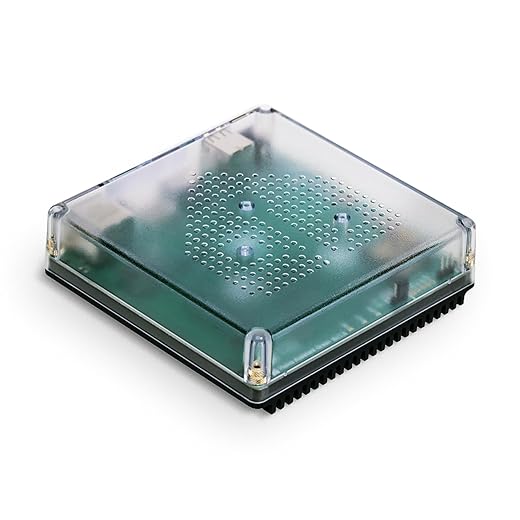

A smart hub is a central device in intelligent home systems, designed to connect and manage various appliances and devices within a household. This professional-grade technology serves many purposes, providing homeowners with an excellent choice for better control over their environments. Smart hubs typically include a range of features, ensuring a seamless connection to devices like lights, locks, and audio systems. This integration allows users to interact with their homes via voice commands using assistants like Siri or other intelligent systems.

The capabilities of a smart hub vary widely among different models, with many designed to support various connection types, including wired and wireless setups. Depending on the specific needs and preferences of users, these hubs allow for customization, allowing for the setup of modules that cater to everything from water consumption to energy efficiency. A well-chosen smart hub will adapt to the color and style preferences of its environment, making it a more suitable addition to any modern home.
In today’s world, where connectivity is paramount, smart hubs can also play a significant role in bringing together family members around shared experiences, such as streaming audio or controlling lights with a simple touch. However, homeowners must consider several factors when selecting a model, ensuring it meets their specific requirements and is compatible with other devices. By investing in a certified smart hub, users can unlock a new level of convenience and enhance their daily lives with smarter technology.
Understanding Smart Hubs
When choosing a smart hub, it’s vital to consider your specific needs and budget. Some hubs are easy to set up and connect via Ethernet or Wi-Fi, while others may require a bit more technical know-how. For instance, the Amazon Echo Dot Max is both a speaker and a smart hub that simplifies device management, allowing you to control smart lights and communicate with motion sensors easily. This level of control is especially beneficial for larger homes where multiple areas need attention.
Smart hubs also offer features like alerts and notifications for intrusion detection or when your HVAC system is not working efficiently. Each brand may provide its unique features, and many are certified to ensure reliable communication across devices. The Roomba vacuum, for example, works seamlessly with smart hubs, allowing you to schedule cleanings even when you’re away.
In addition, smart hubs enhance the overall functionality of a smart home. They play a crucial role in ensuring that devices work together harmoniously. Mesh networks can expand the range of your smart devices, providing better coverage throughout your home. From smart switches to various sensors, these components can greatly uplift your smart home experience while keeping prices competitive in today’s market.
Ultimately, the right smart hub can transform your house into a smart home that not only meets your needs but also adapts to your lifestyle. As the market continues to evolve, staying updated on the latest models and features will ensure you choose the best unit for your home. Whether looking for basic control or advanced functionalities, smart hubs are at the heart of smart home integration.
What Exactly is a Smart Hub?
A smart hub is a versatile platform that acts as the brain of your smart home. It connects and controls various devices across your home network, ensuring they work seamlessly together. Imagine having the ability to control everything from your lights to your security cameras with just a touch, all managed by a single centralized unit. This setup not only simplifies your experience but also enhances the functionality of your smart devices.
Smart hubs are typically designed to be compatible with multiple protocols, such as Zigbee, Z-Wave, and Wi-Fi. This means they can easily communicate with a wide range of devices, including low-power modules like smart switches and sensors. For instance, a smart hub could control your Philips Hue lights along with your Nest thermostat and even your Asurion security cameras. Each of these products comes certified to ensure they work correctly with the hub, offering you peace of mind.
In addition to controlling devices, smart hubs offer various features to improve your everyday life. For example, they can send alerts to your smartphone when motion is detected by a security sensor or when a smoke alert triggers in the night. Some models even allow integration with voice assistants, like Siri, to provide hands-free control. This capability can transform your living space into a more intelligent environment, effortlessly adjusting settings according to your needs.
When considering smart hubs, you might want to check products like the Samsung SmartThings Hub or the Amazon Echo Dot Max for their high compatibility with smart devices. These hubs bring everything together, reducing clutter, and helping you efficiently manage your home or office network. The initial cost of a smart hub is a worthwhile investment that pays off with the ease it offers in controlling your appliances.
In conclusion, a smart hub is a crucial component in any smart home setup. It integrates various smart technologies, helping you create a synchronized living space. Whether you’re controlling your lights, adjusting your thermostat, or monitoring your security cameras, a smart hub is there to bring it all together–making your life simpler and more efficient.
Key Features of Smart Hubs
Smart Hubs play a pivotal role in creating a more connected and intelligent home environment. These hubs function as the central point where various smart devices integrate, offering a seamless experience for users. One of the main features of smart hubs is their ability to support multiple protocols and standards, making it easier to manage a variety of devices, including lights, speakers, and appliances. For instance, integrating products like the Amazon Echo or HomePod can enhance functionality and allow for voice control.
Typically, smart hubs are designed to be low-power and reliable, ensuring they can operate continuously without much energy consumption. In addition, they come with various options, including wireless connectivity, which enables users to manage devices from anywhere in their home. For example, smart plugs can be controlled via an app, allowing you to turn your appliances on and off remotely. This capability is particularly beneficial for businesses as well, where managing multiple devices efficiently is crucial.
Another important feature of these systems is their compatibility with anti-theft measures. Smart door locks and security cameras can be linked to a hub, providing peace of mind for homeowners. These configurations not only keep your home secure but also offer functionalities like night mode or alerts when members are near the door, making them invaluable in today’s world.
Beyond security, smart hubs can create smarter living environments. They allow for the automation of routines, such as switching on the lights at sunset or configuring your thermostat to maintain a comfortable temperature without manual input. This means you can enjoy better energy efficiency with minimal effort, as each device communicates effectively through the central hub.
| Product | Features | Link |
|---|---|---|
| Amazon Echo Show 15 | Voice control, smart home integration, speaker | View on Amazon |
| HomePod | High-quality audio, Apple ecosystem, smart control | View on Amazon |
| Smart Plugs | Remote control, scheduling, energy monitoring | View on Amazon |
In summary, smart hubs are an essential component for anyone looking to enhance their smart home experience. With their reliable functionality, compatibility with a variety of devices, and the ability to create efficient systems, they can make your life much simpler. Whether you’re managing a busy household or running a business, a smart hub can provide countless benefits that keep your home smarter and more secure.
Different Types of Smart Hubs
Smart hubs offer homeowners incredible opportunities to integrate various devices into a cohesive smart home ecosystem. There are several types of smart hubs, each designed to keep everything running smoothly and efficiently. Whether you’re planning to switch to a smarter living environment or looking for reliable options for your business, understanding different types of hubs can simplify the process.
One popular type is the centralized smart hub. These hubs function as the main control point for your devices, allowing you to manage everything from smart speakers to security cameras. A great example is the Amazon Echo Dot Max, which not only serves as a smart speaker but also connects with other compatible devices, ensuring seamless operation in your home.
Another option is the cloud-based hub. These hubs rely on internet connection to function and can control devices even when you’re not at home. For instance, the Samsung SmartThings Hub enables homeowners to monitor and manage their smart devices through a simple app, offering great ease of use. Cloud-based systems are often favored for their interactive features and flexibility, as they can expand with new devices without requiring additional installations.
- Multi-protocol hubs are also gaining popularity. They can communicate over various protocols, allowing for compatibility with a wide range of devices. This flexibility makes it easier to create a personalized and integrated smart home. Products like the Hubitat Elevation support multiple standards, ensuring that you can expand your system without concern for incompatibility.
- Voice-controlled hubs are particularly user-friendly. They allow you to operate devices through voice commands, making things more convenient and interactive. The Google Nest Hub is a perfect example; it allows you to play music, control lights, and check the weather all through simple voice commands.
Smart hubs don’t just offer homeowners the ability to manage devices; they also play a pivotal role in saving energy and reducing consumption. By keeping track of every device’s operation, smart hubs ensure that you use energy more efficiently. For businesses, these devices can offer a cost-effective way to switch to smarter operations, such as remote monitoring of systems through a reliable port.
When you’re looking for the best smart hub, consider the functionalities you need and the devices you already own. The right hub can create great value, making it easy to streamline your smart home experience. Investing in a smart hub is investing in an ecosystem that enhances your daily living, making things not only easier but smarter.
Smart Door Locks: A Key Component of Smart Homes
Smart door locks are essential for any modern smart home ecosystem. They provide an easy way to enhance your home security while offering a convenient, personalized experience. These devices can help you control access to your home from anywhere in the world, all through a simple application on your smartphone. Whether you’re at work or on vacation, smart locks allow you to receive alerts and monitor who comes and goes.
In the current market, there are many brands offering smart door locks, each with unique features and prices. For example, the August Smart Lock communicates well with existing door hardware and provides a streamlined setup. On the other hand, the Schlage Encode offers built-in Wi-Fi, meaning you won’t need additional accessories for connectivity. This level of integration ensures that your locking system functions well within your smart home, eliminating the need for separate hubs or standalone devices.
One important factor to consider is how these locks connect to your home’s automation ecosystem. Most smart locks utilize low-power communication standards to interact with other devices, enhancing your homey atmosphere. This two-way communication allows for scenes where your lock can trigger other smart devices, like turning on lights when you arrive home. If you’ve explored smart home products, you know that establishing a seamless connection between devices guarantees a satisfying user experience.
Smart door locks also feature firmware updates, ensuring they stay secure against the ever-evolving landscape of cybersecurity threats. Be sure to check if the brand you’re considering offers this support, as it’s an essential aspect of maintaining control over your security. Additionally, these locks make use of automation techniques, like creating time-limited access codes for guests, adding another layer of convenience.
In a world where home security is more important than ever, investing in a smart door lock can enhance your home’s security. Regardless of your budget, there’s a smart lock that can fit your needs, offering easy access with the peace of mind that you’re safeguarded. With thoughtful selection, you can ensure that your home remains secure while enjoying the perks of modern technology.
How Do Smart Door Locks Work?
Smart door locks are becoming increasingly popular due to their versatility and enhanced security features. They typically operate through a digital interface, allowing you to control access to your home or office from your smartphone or other devices connected to the internet. This technology doesn’t just make life easier; it also ensures a personalized security solution that fits your lifestyle.
Each smart lock comes with a variety of features and functions. For example, many of them are compatible with platforms such as Zigbee and Wi-Fi, enabling seamless integration with other smart home hubs like Amazon Echo and Roombanker. According to user reviews, the August Smart Lock Pro is a strong choice, as it allows for remote locking and unlocking, while also offering a guest access feature for visitors.
However, it’s important to understand potential incompatibilities between devices. While many smart locks cover a wide budget range, those that are certified by reputable security standards tend to offer stronger protection. Upgrading the firmware is also essential for maintaining security and adapting to any evolving technology related to smart home installations.
Smart door locks use sensors that can detect actions such as the approach of an authorized user, unlocking the door automatically. For example, the Kwikset Halo Smart Lock allows you to create unique codes for each member of your household, ensuring nobody gets locked out unexpectedly. This feature is particularly useful for businesses that require a more flexible access system.
What can you do to ensure a smooth installation? Here’s a plan: assess your current door and choose a lock that fits its specifications. Ensure you have all the necessary hardware before you start. An internet connection is a must for most smart locks, so check your network’s compatibility. Avoid choosing unsuitable smart locks that may not integrate well with your existing smart home ecosystem. The right smart lock will not only enhance your security but also contribute to a smarter living environment.
Questions and answers:
What exactly is a Smart Hub?
A Smart Hub acts as a central point that connects various smart devices within a home. It allows these devices to communicate with each other and can be controlled from a single interface, often through a smartphone app or voice command. The hub can manage different protocols, enabling seamless integration of devices like smart lights, thermostats, and security cameras.
How does a Smart Hub improve my smart home experience?
By using a Smart Hub, users can streamline the control of various smart home devices, reducing the complexity of managing multiple apps. For example, you can set routines where your lights adjust automatically when your security system is activated. Additionally, a Smart Hub can enhance automation capabilities, allowing devices to work in sync and respond to various triggers, thereby enhancing convenience and efficiency.
What types of devices can be connected to a Smart Hub?
A wide range of devices can be connected to a Smart Hub, including smart bulbs, door locks, security cameras, thermostats, and even kitchen appliances. The compatibility largely depends on the specific hub you choose, as different hubs support various communication protocols like Zigbee, Z-Wave, Wi-Fi, and Bluetooth. Before purchasing, it’s advisable to check which devices are compatible with the chosen hub to ensure a cohesive smart home ecosystem.
Are there any drawbacks to using a Smart Hub?
While Smart Hubs can greatly enhance home automation, there are a few potential drawbacks. One concern is that if the hub fails or loses power, it can disrupt communication between your devices, leaving you without control. Additionally, setting up and configuring a Smart Hub can be complicated for some users, especially those who are not tech-savvy. Security is also a consideration, as a centralized system can be a target for cyber attacks, making it important to choose reputable brands and keep firmware updated.