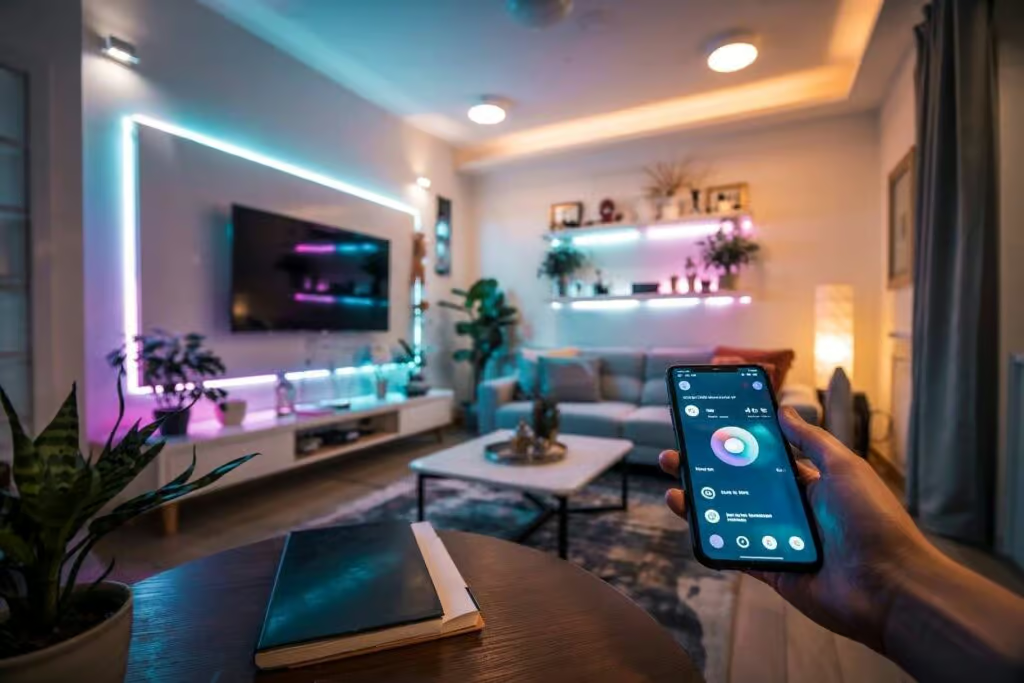




As the world evolves into the future, the word “smart” has taken on new dimensions, especially when it comes to home technology. Children today are growing up surrounded by devices that automatically respond to their needs, from smart speakers playing their favorite songs to lights that adjust based on the time of day. This compatibility among smart home devices is critical not only for convenience but also for enhancing security, efficiency, and communication within the household.
When considering a central hub for your smart home, it’s important to look at companies that are offering robust solutions. Samsung, for instance, has made significant strides in creating systems that support a combination of devices, allowing both seamless interactions and easy remote access. Survey results have found that many homeowners value the ability to manage tasks like vacuuming or watering plants with just a few taps on their smartphone, highlighting the beneficial impact of smart home technology on everyday life.
However, as we dive into the intricate patterns of device compatibility, there are issues to consider. Picking the right devices involves understanding exactly how they communicate with each other and the software that supports these functions. In this guide, we will explore helpful tips and insights into ensuring that your smart home setup not only meets your current needs but also adapts to future advancements in technology. By the end, you’ll be equipped to create a harmonious environment that brings out the best in your chosen devices, maximizing both functionality and enjoyment.
Understanding Smart Home Ecosystems
In today’s market, understanding smart home ecosystems is crucial for anyone looking to create a connected home. The primary takeaway is that a well-integrated system allows for seamless interaction between devices, making everyday tasks more efficient. Various platforms exist, such as HomeKit, which supports the combination of devices from different companies, allowing users to automate workflows through various modalities, like IFTTT (If This Then That). For instance, with the right setup, you can automatically turn on lighting when your smart camera detects motion.
Having the right hubs and services is important for smart home functionality. Whether you’re controlling smart plugs or setting up your robotic vacuum for automatic cleaning schedules, a complete ecosystem can dramatically simplify your life. For example, the iRobot Roomba 692 vacuum cleaner can work with Amazon Alexa, allowing you to start vacuuming through simple voice commands. This interaction ensures that your home is always clean without the need for manual effort.
Another important aspect is the compatibility of your devices with existing services. A good option is to ensure that all your smart products are powered by a reliable Wi-Fi network. Devices like the Ring Video Doorbell provide essential security services, letting you know who is at your door even if you are not home. This allows you to lock or unlock your door remotely, enhancing security and convenience.
The importance of creating an interconnected smart home ecosystem cannot be understated. Once you commit to integrating these technologies, you’ll find that daily tasks become easier and often automated. Whether it’s turning off lights remotely, scheduling your smart coffee maker, or controlling the thermostat, smooth interaction between devices will significantly enhance your living experience. In summary, being aware of the options available and making informed decisions will ensure that your smart home functions at its best.
What are Smart Home Ecosystems and How Do They Work?
Smart home ecosystems refer to interconnected devices that work together seamlessly to enhance your everyday living experience. These systems allow multiple devices, such as lights, thermostats, and security cameras, to be controlled from a single platform. For instance, a hub like Aqara offers a clear interface that can integrate various smart devices, letting you manage them with ease. This interconnectedness is essential for creating efficient workflows, whether you’re looking to automate your morning routine or monitor your home security.
The importance of these ecosystems cannot be overstated. They allow users to activate specific settings based on their daily patterns. Imagine being able to start your coffee maker as soon as your smart door unlocks in the morning. This level of control enhances convenience and provides a more enjoyable living experience. Moreover, as these technologies continue to evolve, people can expect even higher levels of integration and functionality.
Many popular smart home platforms are available today, including those that support voice commands through assistants like Siri. By using voice activation, you can more easily control devices across the network, making everyday tasks frictionless. You might plan to adjust your thermostat or turn off the lights without physically interacting with the devices, allowing for a more comfortable environment at any time.
For those who worry about the compatibility of various devices, recommendations for compatible products can often guide new users. There are smart door locks, smart speakers like the Amazon Echo, and even automated thermostats that are designed to be part of a broader ecosystem. These products work together to meet your unique goals and address any concerns about functionality or reliability.
Ultimately, the goal of a smart home ecosystem is to provide a cohesive, user-friendly experience that integrates technology into your life. It’s about removing the barriers and allowing you to focus on what truly matters, while your devices handle the basics. As technology continues to evolve, staying informed and up to date with the latest products will ensure that you can fully enjoy the benefits of a smart home.
Key Players in the Smart Home Market
In the ever-evolving landscape of smart home technology, several key players have emerged, each designed to simplify our daily lives and enhance the functionality of our homes. Companies like Google and Amazon have become essential contributors, providing products that automate common tasks and allow users to control their devices through multiple modalities, from voice commands to mobile applications.
One of the most popular products from Google is the Nest Learning Thermostat, which automatically adjusts the temperature based on your habits. This helpful device not only saves energy but also makes your home smarter by learning your preferences over time. Amazon’s Echo Show, with its integrated display, is another great example of how smart devices can centralize home control. It acts as a hub where you can monitor different smart devices, like cameras and doorbells, all through a single interface.
| Nest Learning Thermostat | Automated temperature control, energy savings | |
| Echo Show | Amazon | Display, voice control, smart home hub |
| Roomba i7+ | iRobot | Autonomous vacuuming, smart mapping |
| Ring Video Doorbell | Amazon | Outdoor security, two-way audio |
These products often work together, enabling seamless interaction between devices. For instance, when you arrive home, your smart doorbell can notify you, and with an existing router, you can expect the cameras to start recording. Many users cant imagine their daily routines without these automations powered by smart devices. The capability to control multiple aspects of your home from anywhere is changing the way we live.
As you explore smart home devices, it’s important to differentiate between what’s available. Brands like Wedel focus on making smarter functionalities accessible, where efficiency and user-friendliness are prioritized. The market has started to test the boundaries of integration, aiming for a more interconnected experience. After all, the best smart home systems are the ones that are essential for your daily life and designed to meet your unique needs.
Standards and Protocols: Zigbee, Z-Wave, Wi-Fi, and Bluetooth
When building a smart home, understanding the different standards and protocols is essential to ensure that your devices communicate effectively. The primary players in this space are Zigbee, Z-Wave, Wi-Fi, and Bluetooth. Each of these has its own strengths and weaknesses, thus it’s important to consider which will meet your needs the best.
Zigbee and Z-Wave are specialized for smart home applications, particularly for automation tasks such as lighting control and motion sensors. Zigbee is known for its high device count capability, making it great for larger setups. It operates in the 2.4 GHz range, which means it can face interference from Wi-Fi networks. On platforms like Amazon, you might find devices like the Philips Hue Smart Bulb that use Zigbee, providing a range of lighting configurations for your home.
Z-Wave, on the other hand, operates at lower frequencies, which helps it to avoid interference better and is known for its longer range. A popular choice for beginners is the Ring Z-Wave Smart Lock. This device allows you to manage your home security remotely and has a great integration with various smart home platforms.
Wi-Fi is another important protocol that allows devices to connect directly to your home network. This way, devices can operate securely and remain updated without requiring a separate hub. A notable product is the Amazon Echo, which is a voice-activated speaker that can control other smart devices with ease. With built-in skills, it helps you communicate with your smart home and manage it hands-free.
Bluetooth, while generally used for short-range communication, is also important. It’s effective for simpler devices and can be found in products like the LIFX Mini Smart LED Light Bulb, which can be controlled via your smartphone. This makes it a helpful tool for beginners who want to start with basic configurations without needing a complex network.
For a whole home setup, consider how these protocols can work together. If you’re looking for a secure and effective way to manage your smart home, explore devices that are compatible with platforms like HomeKit, Zigbee, or Z-Wave. It’s also wise to stay updated with new releases as technology evolves. By investing in the right tools, you can make your home automation smarter and more integrated, ensuring that different devices communicate well and operate seamlessly together.
Assessing Device Compatibility
When it comes to creating a seamless smart home ecosystem, assessing device compatibility is essential. You want to ensure that all your devices can communicate and function correctly together. Before you start automating your routines, take a moment to think about the following steps.
- Identify Your Smart Assistant: Determine which voice assistant you’ll be using, such as Amazon Alexa, Google Assistant, or Apple HomeKit. Each of these has its own set of compatible devices.
- Check Hub Compatibility: If you’re using a hub like SmartThings or a Zigbee-compatible product, check which devices are supported. Some hubs enable communication among devices from different brands, expanding your options.
- Evaluate Firmware Updates: Make sure that you are running the latest firmware for each device. Keeping your devices updated can enhance their capabilities and improve security.
- Consider Physical Constraints: Think about where your devices will be placed. For example, a smart lock may require a certain type of installation, so ensure you have the correct setup before purchasing.
Among the many products available, some smart bulbs like Philips Hue or smart plugs such as TP-Link Kasa are excellent choices that support a variety of systems. These devices provide better control and can easily be integrated into your daily life.
Furthermore, the benefits of assessing compatibility go beyond just functionality. By ensuring that your devices work well together, you’ll find the ease of managing your home routines more enjoyable. For instance, you might set up your smart lights to gradually brighten in the morning, providing gentle cues to wake up. This type of automation wouldn’t be possible without the correct device management.
Lastly, do not hesitate to reach out to manufacturers’ customer support if you have questions about specific devices. They can assist you in finding the right ones that fit your needs, ensuring that your smart home is not just functional but also secure.
How to Check Device Compatibility Before Purchase?
When you’re setting out on your smart home journey, it’s absolutely essential to check device compatibility before making a purchase. This is especially true if you’re considering integrating various accessories like smart doorbells, lighting systems, and advanced home security devices. The last thing you want is to invest in a product that cannot seamlessly work with your existing system. So, how do you ensure that the device you choose will work well with your home’s central hub or other devices?
First, think about the specific channels your smart home setup supports. For instance, popular devices from makers like Aqara might come with specifications requiring a particular internet protocol or communication standard. It’s important to check if the item supports the same protocols (Wi-Fi, Zigbee, Z-Wave, etc.) as your existing devices. When ensuring compatibility, consider using your voiceover assistant. If you have a smart assistant like Amazon Alexa or Google Assistant, double-checking their supported devices can give you a clear picture of what will work.
Next, search online for reviews and forums where users discuss their experiences with specific products in conjunction with your existing devices. You’ll often find that certain items have higher visibility among users who share similar setups. It’s a good practice to read these discussions and ask questions. You may find that using certain accessories can lead to better performance or visibility in specific rooms of your house.
Lastly, keep in mind that compatibility doesn’t stop at purchasing. Devices can evolve, and manufacturers may update their products, adding new features or adjusting their capabilities. This means that what might seem compatible today could change in the future. Therefore, it’s smart to look for items that will likely integrate smoothly into your workflows and can adapt as new technology emerges. For instance, the Philips Hue smart lighting system is a popular choice for many users due to its high compatibility with a range of smart home products. Similarly, a smart security camera from Ring might be found to work perfectly with your current doorbell setup.
In summary, by doing your research, checking device specifications, and keeping an eye on community feedback, you can ensure that your smart home remains a place of ease and high functionality. Make trusting decisions, and you will find that turning your house into a smart home can really be a rewarding journey!
Understanding Cross-Platform Compatibility
When diving into the world of smart home devices, understanding cross-platform compatibility is essential. It typically defines how different products work together within your home. For instance, if you’ve chosen an Aqara thermostat for temperature control and an Echo for voice commands, you’ll want to ensure they can communicate seamlessly. This compatibility gives you the ability to control your home’s climate effortlessly, without jumping between different apps.
The market is filled with products that are designed to simplify the integration of multiple devices. Consider using applets or automation solutions like IFTTT, which can help you manage your smart lighting and irrigation systems. They allow for creative connections between devices, meaning you can trigger your irrigation system to activate based on the weather updates or even adjust lights when you enter a room. The idea is to improve your home’s functionality and make it more accessible.
When looking for solutions, it’s crucial to check that your chosen devices can work with platforms like HomeKit or Google Assistant. For example, smart plugs that are compatible with these ecosystems allow you to control lights or small appliances through voice commands or schedules. In addition, keep an eye on the latest products and news, as the industry is constantly evolving, giving you better options to automate and improve daily living.
Chris, a smart home enthusiast, suggests doing a quick survey of your devices before making any new purchases. This will help you identify what controls you need and what cannot handle complex tasks together. By doing this, you ensure that you’re not left with devices that can’t communicate, which is a common barrier for smaller setups. Remember, planning ahead can save you time and frustration, allowing you to enjoy the benefits of a connected home without unnecessary hiccups.
Questions and answers:
What factors should I consider when choosing smart home devices for compatibility?
When selecting smart home devices, consider their compatibility with your existing ecosystem, such as whether they work with platforms like Google Home, Amazon Alexa, or Apple HomeKit. Look for devices that support common communication protocols like Z-Wave, Zigbee, and Wi-Fi to ensure they can easily connect with one another. Additionally, check for any firmware updates or app requirements that might affect their integration.
Can I mix and match devices from different brands? How does that affect functionality?
Yes, you can mix devices from different brands, but functionality may vary. Some devices are designed to work seamlessly across platforms, while others may have limited interoperability. It’s beneficial to research devices that use standard protocols or are certified for compatibility with major smart home ecosystems. This can help avoid issues with controlling devices together or accessing their features through a single app.
Is there a way to test device compatibility before making a purchase?
Many manufacturers provide compatibility information on their websites, along with user reviews that can offer insights into the experiences of others. Additionally, online forums and smart home communities can be great resources for real-world feedback. You may also find tools and apps that evaluate device compatibility, helping you make informed decisions before purchasing.
What are the benefits of having a smart home hub?
A smart home hub acts as a centralized control system for various devices, enabling them to communicate with each other even if they’re not from the same brand. By managing all your devices through one hub, you can create automation routines that enhance functionality, simplify user experience, and improve energy efficiency. Some hubs also support multiple protocols, which expands your options for future device purchases.
How do I handle updates and upgrades for my smart home devices?
Regular updates are crucial for maintaining security and functionality in your smart home devices. Most manufacturers provide automatic updates or notifications for manual ones through their apps. It’s important to regularly check for updates, as they can fix bugs, enhance performance, and introduce new features. Set a schedule to review updates and make sure all devices are running the latest software to ensure optimal integration and safety.
What should I look for when choosing smart home devices for compatibility?
When selecting smart home devices, it’s important to consider a few key factors for compatibility. First, check the communication protocols used by the devices, such as Wi-Fi, Zigbee, or Z-Wave. Make sure that the devices you choose can communicate with each other through these protocols. Additionally, look for devices that support the same smart home ecosystems, like Google Assistant, Amazon Alexa, or Apple HomeKit. Some devices are designed to work seamlessly with specific ecosystems, so confirming compatibility can save you from future integration issues. Also, consider the type of functionalities you need, like voice control, scheduling, or remote access, and ensure that the devices offer these features while being compatible with your chosen system.