


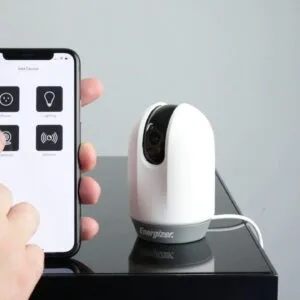


Choosing the right solutions for your indoor ambiance can dramatically enhance both comfort and efficiency. Understanding what’s available on the market is crucial; consider the latest technologies that allow for seamless temperature and intensity control, keeping your space inviting year-round. Options like dimming overhead fixtures can significantly alter the atmosphere while providing flexibility.
As communities shift towards more integrated systems, implementing intelligence into your lighting setup becomes paramount. By synchronizing fixtures with external platforms like Vesternet, you not only add convenience but also empower your environment to transform based on your preferences. Tutorials available online can guide you through the complexities involved in integrating these features, making the process significantly easier.
In December, when daylight hours are reduced, it’s essential to leverage increased automation for both aesthetics and functionality. By involving temperature- and color-cooling elements, you can create a more dynamic and engaging space. The latest advancements support a broader spectrum of options that encourage customization, allowing you to blend styles effortlessly. Constantly evaluating your choices will help you keep your environment fresh and responsive to your needs.
Smart Lighting Automation Concepts
Consider integrating a system that turns on your bulbs automatically at sunset and fades them down when it’s time for bed. This setting not only saves energy but also helps establish a long-term presence and security profile that’s comforting, especially when you’re away. Products like the Philips Hue White A19 LED Bulb can be easily programmed to achieve this.
In some areas of your residence, it can be beneficial to pair your lights with motion sensors. Those lights can turn on when someone enters a room and turn off after a preset time of inactivity. This feature not only enhances convenience but also translates to significant savings on energy costs. The TP-Link Kasa Smart Motion Sensor is a great addition for this purpose.
Sync your outdoor lighting with the sunrise and sunset to create a breathtaking ambiance. For instance, the Ring Smart Lighting can be programmed to light up just as day breaks, providing a cool morning feel. If you choose to have outdoor lights that automatically adjust based on these natural cues, you’ll find it helps in maintaining a secure environment.
Take advantage of color-changing bulbs to create various moods in your different rooms. These bulbs can be adjusted based on your daily activities. For example, a warm tone can enhance relaxation in your living area after work, while cooler hues can invigorate your kitchen during early mornings. The LIFX Color A19 Smart LED Light Bulb offers a wide range of colors that can significantly transform your ambiance.
Creating Nighttime Routines for Better Sleep
To enhance your sleep quality, consider using devices like Philips Hue smart bulbs. Set them to dim gradually as bedtime approaches, ideally turning down by 30% over an hour. This gentle decrease in light mimics the natural sunset, signaling to your body that it’s time to wind down.
Don’t overlook integration with voice assistants such as Amazon’s Alexa or Google Assistant. With simple commands, you can initiate your nighttime routine. For example, saying “Goodnight” can trigger a series of actions: lights dim, the thermostat adjusts to a cooler setting, and your smartphone silences notifications.
Having a reliable protocol between your household devices is a must. Using items like the SmartThings Hub or the Philips Hue Bridge enables numerous configurations. For instance, connecting a ring doorbell to your smart lights can alert you when someone is at the door, while the lights stay dimmed to keep the nighttime tranquility.
Consider investing in smart thermostats like the Ecobee or Nest. They not only adjust the temperature based on time of day but also learn your habits, ensuring comfort when sleeping. When paired with a relay controller, your system can be a game-changer, optimizing energy consumption while you rest.
As a final touch, implement a soothing playlist on a device like the Amazon Echo Dot. You can link it to a radio station or a calming audio service. This combination of light, temperature, and sound creates an environment that promotes restful sleep, making it a worthwhile investment for your well-being.
Energy Saving Through Smart Schedules
One of the simplest ways to cut down on energy costs is by implementing smart scheduling for your devices. By using data from sunrise and sunset times, you can effectively manage lighting usage throughout the day. For instance, setting your lights to turn on at dusk and off at dawn can make a substantial difference in your energy bills. Many smart devices offer this feature, making it easy to check and adjust your plan as needed.
Consider utilizing assistants like Siri or Google for voice commands to automate this process. You can say, “Hey Siri, turn off the lights at 10 PM,” ensuring that there’s no vampire energy drain during the night. This is especially useful if you’re frequently away from home or forget to turn off the lights after watching lots of music videos or movies late at night.
Another great method to harness energy efficiency is by switching the schedules based on your typical week. For example, if October is a month where you’re less at home during weekdays, plan to have your lights turned off much earlier. This way, you ensure reduced energy usage when it’s not needed. Many smart bulbs can be programmed to follow such schedules, offering convenience and savings with each automated action.
If you’re just starting with automation, consider affordable smart plugs or bulbs from platforms like Amazon. Products like the TP-Link Kasa Smart Plug or Philips Hue White LED Bulbs are perfect starters. By integrating these with your favorite devices, you’re not only enhancing your home environment but also keeping your energy consumption in check.
In summary, implementing timed schedules, utilizing voice assistants, and employing the right smart devices can lead to significant savings on your monthly bills. Check your devices and test various configurations to find what works best for your lifestyle!
Using Sensors for Automated Lighting
To enhance your environment, consider utilizing motion sensors to trigger light settings automatically. For instance, when someone approaches a bathroom, a motion sensor can instantly activate the lighting, providing a welcoming feel. Products like the Philips Hue Motion Sensor are great examples. This device allows you to set various presets for different times of day, giving you an effortless experience as you pass through various spaces.
When setting up these sensors, it’s essential to think about their placement. Install them near doors to ensure that the signal is strong when anyone enters or exits. You can also use a doorbell, which can be linked to similar lighting technologies. For example, when your doorbell rings, the lights can blink in a specific pattern, ensuring that you won’t miss any visitors. This can optimize the user experience while maintaining a modern aesthetic.
Moreover, you can create a light library for different loads and moods. This allows you to configure settings based on specific needs. For instance, a “simulation mode” mimicking a sunrise can provide a gentle wake-up light, transitioning from dim to maximum brightness gradually. Products like the Wyze Bulbs can easily integrate into such setups, allowing you to learn and customize your preferences effectively.
Each light can be configured with sensors that sense ambient light levels. This means that during sunny days, your lights might automatically dim, while on cloudy days, they maintain brightness for optimal visibility. Utilizing these technologies ensures you only use the necessary amount of energy while providing consistent light in your space.
| Philips Hue Motion Sensor | Automated motion detection for lighting activation. | Amazon |
| Wyze Bulbs | Smart LED bulbs with customizable settings and automation features. | Amazon |
By implementing these automated systems, you can enjoy the benefits of advanced technology while ensuring your living space is comfortable and energy-efficient.
Integrating Voice Commands for Convenience
Using voice commands is an efficient way to interact with your lighting setup. Devices like Amazon Echo or Google Nest Hub allow you to control your lights effortlessly. You can simply say, “Hey Cortana, turn on the dining room lights,” and enjoy a well-lit space without lifting a finger. This integration is particularly useful for those with mobility challenges.
Consider adding equipment from brands like Philips Hue and LIFX; both offer excellent compatibility with Alexa and Google Assistant. A favorite choice among users is the Philips Hue Starter Kit, which includes bulbs and a hub for seamless operation. You can also set custom schedules or circadian routes to adjust lighting based on the time of day.
- Philips Hue White and Color Ambiance Starter Kit
- LIFX Color A19 Smart Bulb
- Amazon Echo (4th Gen)
When combining devices, ensure that your existing setup meets the local requirements for networks–this would include a stable Wi-Fi connection and sufficient bandwidth. Integrating equipment like cameras with your lighting can improve your home’s security by allowing you to set lights to turn on or off in sync with camera activity. No more worries about potential damage when you are away!
Regularly updating your system is a must, as it enhances resolution and overall performance. In this way, you can avoid unnecessary bills and keep your energy use in check. Unlike traditional lighting, which requires manual adjustments, smart commands simplify your life, letting you focus on what truly matters.
Lastly, explore different guides to maximize your experience. For example, creating routines that automate lighting transitions in your home throughout the day can not only save energy but also refresh your living space, keeping your eyes free from strain during late hours. Voice-controlled systems can transform your environment by providing lots of convenience with minimal effort. Try it out and see how you can enjoy your space like never before!
Setting Up Party Lighting Scenes
For an unforgettable night, create party lighting scenes that are ready in advance. Use smart bulbs like the Philips Hue White A19 to achieve a wide range of colors and moods. This approach allows you to adjust settings directly from your mobile device, ensuring that everything is in place when your visitors arrive.
Start by selecting various lighting modes that suit the theme of your gathering. For example, a proven setup is to combine warmer hues for relaxation and vibrant colors for energy. Experiment with sound-activated bulbs that change colors with the music. Look for options such as the Wyze Color Light Bulb, which responds to sounds, enhancing the atmosphere without needing additional equipment.
Plan your arrangement by considering the locations of your outlets and lamp placement. Using sockets that support smart plugs, like those from Marquardt, can save energy and give you extra control over each light’s operation. By controlling the cooling effects of lighting, you can craft an inviting ambiance that encourages social engagement while becoming energy-efficient.
Questions around setup often arise, so remember to check the brand’s compatibility with your existing devices. Adjust your bulbs to create the perfect scene, from subtle white for dinner settings to dynamic colors for dance parties. As a final step, don’t forget to program watering alerts for plants that might need attention while you’re hosting! This combination of functionalities will not only make your event memorable but also demonstrate your advanced tech-savvy to guests.
Q&A:
What are some key advantages of smart home lighting systems?
Smart home lighting systems offer several benefits. Firstly, they provide convenience as you can control them remotely or through voice commands. This allows for easy adjustments to the brightness or color of lights without having to physically interact with switches. Secondly, these systems can enhance security by allowing you to set schedules for lights to turn on and off, simulating presence even when you’re away. Energy efficiency is another advantage, as smart bulbs typically consume less energy than conventional ones and can be programmed to turn off when not needed. Finally, smart lighting can be integrated with other smart devices, creating an overall automated environment that can improve your daily life.
How can I set up smart lighting in my home?
Setting up smart lighting in your home is a straightforward process. Start by choosing the type of smart bulbs or fixtures that suit your needs. Ensure they are compatible with your existing lighting system and smart home ecosystem (like Alexa, Google Home, etc.). Once you have your devices, install the bulbs or fixtures like regular ones. Download the corresponding app on your smartphone, create an account, and follow the setup instructions within the app. This usually involves connecting the bulbs to your Wi-Fi network. After connecting, you can customize your lighting settings, create schedules, and even set up scenes for different activities like watching movies or entertaining guests.
What are some unique automation ideas for smart lighting?
There are many creative automation ideas for smart lighting. One popular method is setting lights to gradually brighten in the morning to mimic a natural sunrise, which can help you wake up more gently. Another idea is to sync your lights with music or movies, creating immersive atmospheres. You can also set up motion sensors to turn on lights when someone enters a room, which is useful for hallways or bathrooms. Additionally, consider scheduling your lights to change colors based on the time of day, such as warmer hues in the evening to promote relaxation. Lastly, integrating lights with security systems can trigger outdoor lights when motion is detected, enhancing your home’s safety.
How do smart lighting systems contribute to energy savings?
Smart lighting systems contribute to energy savings in several ways. First, LED smart bulbs are generally more energy-efficient than traditional incandescent bulbs, consuming less power and lasting significantly longer. Second, features like scheduling and automation allow you to set lights to turn off automatically when not in use, reducing unnecessary energy consumption. Dimmer functionalities mean you can adjust the brightness based on your needs, which can also save energy. Furthermore, some smart lighting systems provide energy usage reports, helping you identify and reduce wasteful habits. Over time, these small adjustments can lead to noticeable savings on your electricity bills.
What should I consider when choosing smart lighting products?
When selecting smart lighting products, you should consider several factors to ensure compatibility and satisfaction. First, check the compatibility of the lighting with your existing smart home system, such as whether it works with your voice assistant or hub. Next, assess the types of bulbs or fixtures you need, such as recessed lights, smart bulbs, or light strips, based on the specific areas you want to enhance. Evaluate the brightness and color temperature options available, as these can significantly affect the ambiance of your space. Also, consider the design and aesthetics to ensure they match your home’s interior. Finally, review user ratings and product reviews to gauge reliability and performance from other consumers.
What are some practical examples of smart home lighting automation for 2025?
In 2025, smart home lighting automation can include features such as motion-activated lights that turn on when someone enters a room, lights that change color based on the time of day (e.g., warm tones in the evening for relaxation), and automated dimming options for movie nights. You can also set schedules for your lights to mimic your daily routines or even link the lighting system to your smart assistant for voice control. Integration with smart security systems is another example, where outdoor lights can activate during security alerts or when a camera detects movement.
How can I set up my smart lighting system to maximize energy savings?
To maximize energy savings with your smart lighting system, consider installing LED smart bulbs that consume less power than traditional bulbs. Set up automation rules that turn off lights automatically when a room is unoccupied or dim lights during the daytime using natural light as a supplement. Utilizing smart plugs or switches can help control connected lamps more effectively. Regularly assess your lighting schedule and adjust it based on your actual usage patterns. Additionally, using motion sensors and timers can prevent lights from remaining on unnecessarily, further contributing to energy efficiency.


