


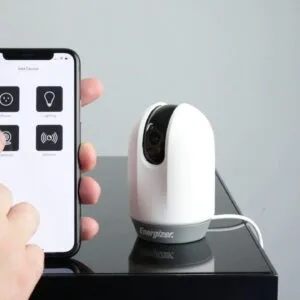


In today’s world, where energy costs can fluctuate drastically, understanding how to achieve maximum efficiency in your home heating, ventilation, and air conditioning (HVAC) system is crucial. This is where smart thermostats come into play, promising a more predictable energy consumption pattern. By leveraging data, they are designed to detect and adapt to your household’s unique patterns and preferences, thereby optimizing temperature settings inside and outside your home.
- Use geofencing and learning algorithms to automate temperature changes when you're away or asleep, cutting unnecessary energy use.
- Choose compatible models with remote app control and room sensors for precise zoning and convenient, on-the-go adjustments.
- Proper installation and optimized temperature settings drive the greatest savings, often yielding significant bill reductions over time.


In today’s world, where energy costs can fluctuate drastically, understanding how to achieve maximum efficiency in your home heating, ventilation, and air conditioning (HVAC) system is crucial. This is where smart thermostats come into play, promising a more predictable energy consumption pattern. By leveraging data, they are designed to detect and adapt to your household’s unique patterns and preferences, thereby optimizing temperature settings inside and outside your home.
For example, a smart thermostat can facilitate geofencing, allowing it to communicate with your smartphone or tablet. As you approach home, it can adjust temperatures accordingly, ensuring a comfortable environment awaits you without wasting energy while you’re away. The integration of modern apps makes it easier than ever to monitor and adjust your energy usage, helping to significantly lower your energy bills during summer and winter alike.
This technology doesn’t just make life more convenient; it helps you achieve substantial savings in the long run. Installing a smart thermostat can initially feel daunting, but its rewards can be well worth the time and effort. With a variety of features that can include automated programs and targeted energy use tracking, the opportunity to create an energy-efficient home is right at your door. By understanding where to start and how these devices work, you can potentially fill the hole in your budget created by high energy costs.
Understanding Smart Thermostats

Smart thermostats are a modern solution that offers independent control over your home’s heating and cooling systems. With the ability to lower energy bills effectively, they have become a popular choice for anyone looking to save money. These devices are not just programmable but also come with useful features that adapt to your habits and routines.
One of the most beneficial aspects of smart thermostats is their learning capabilities. They can track your behaviors over time, adjusting temperatures accordingly to maximize energy savings. For instance, if you frequently set your furnace to lower temperatures at night, a smart thermostat can learn this pattern and adjust automatically, without requiring any manual input from you.
Many smart thermostats also offer geofencing capabilities, which means they can detect when you leave or return home. This feature allows the system to turn down the heating or cooling when you’re away, thus avoiding unnecessary energy costs. Some popular models available on Amazon, such as the Nest Learning Thermostat and Ecobee SmartThermostat, include these features and more.
Another important aspect is the convenience of remote access. With these devices, customers can control their systems through a smartphone app, ensuring optimal temperatures are maintained even when they are away. Reports show that using smart thermostats can lead to significant energy credits over time, making them a worthy investment for both single-family homes and larger systems like condensing boilers.
Choosing the best smart thermostat depends on specific needs and home configurations. Wired models might offer more stability, while others may focus on wireless convenience. Regardless of the type, select a system that suits your living conditions and preferences, as they all aim to provide a more comfortable, energy-efficient lifestyle.
What is a Smart Thermostat?
A smart thermostat is a device designed to control your home’s temperature more efficiently. It allows you to monitor and manage the heating and cooling settings throughout the year, ensuring maximum comfort at minimal cost. These devices can learn your patterns and preferences, making it easy to keep your home at the ideal temperature at any time of the day.
One of the most convenient features of a smart thermostat is its ability to provide real-time temperature readings. For instance, if you choose to open a window in the summer, the thermostat can adjust accordingly, reducing energy usage while keeping your home comfortable. Some models can also send reports on energy consumption, helping you understand where you can make savings.
Smart thermostats are compatible with various heating systems, including condensing boilers and heat pumps. By optimizing the efficiency of these systems, they can significantly reduce energy costs over the course of a year. Research has shown that households using smart thermostats can earn substantial savings, sometimes reducing yearly energy bills by 10-20%.
For anyone looking to invest in energy efficiency, smart thermostats are an excellent choice. Brands like Ecobee or Nest provide a range of functions, allowing you to control your home’s climate from anywhere, simply through your smartphone. Monitoring your home’s energy use has never been easier, and with this kind of technology, keeping your living space cozy while being mindful of your budget is a reality.
In summary, a smart thermostat can make a big difference in how you manage heat and energy in your home. From real-time monitoring to learning capabilities, these devices create a comfortable living environment while achieving energy savings. Make the switch today to save on your energy bills year after year!
Smart thermostats are designed to be easy to use and highly effective in managing your home’s temperature. They learn your heating and cooling patterns, so they know when you’re home and when you’re away. By detecting your presence and adjusting the temperature accordingly, they help maintain a comfortable environment while lowering energy costs. For example, some models can detect when a window is opened, temporarily reducing heating or cooling to save energy.
These devices can connect to your wi-fi, allowing for easy control from your mobile phone or tablet. You’re able to adjust settings or check energy usage reports from anywhere. This convenience is handy if you forgot to adjust the temperature before heading out. Many users appreciate the voice command features, which let you change settings hands-free. Some models even provide full readings on energy consumption, so you’re always aware of how your usage levels affect your bills.
Installation of smart thermostats is relatively straightforward. Most products are designed for easy installation directly on the wall, and they often fit perfectly where your old, programmable thermostat was located. Products like the Ecobee SmartThermostat or the Nest Learning Thermostat include all necessary components and a user-friendly guide. Instead of the traditional boiler controls, smart thermostats give you the ability to keep your heating system, such as gas or electric boilers, efficient and responsive to your needs.
With various models available on platforms like Amazon, you could find one that fits your budget while providing enhanced security features and remote access. Some devices even offer energy-saving credits or rebates through utility companies like Duke Energy, making the initial cost more manageable. Each of these features contributes to making smart thermostats a valuable investment for any house, enabling users to save money on energy bills and reduce their environmental impact.
Cost Savings Analysis
Smart thermostats can be a useful addition to your home, especially when it comes to saving money on energy bills. These devices allow homeowners to control their heating and cooling systems remotely, making it easier to maintain a comfortable and efficient environment. By installing a smart thermostat, you can reduce unnecessary fuel consumption in your house, leading to lower energy costs.
In different towns and cities, the efficiency of HVAC systems varies significantly. However, this can be improved by utilizing smart thermostats that monitor and adjust the temperature based on your daily behaviors. For instance, if you’re often leaving the house during the day, a smart thermostat can automatically adjust the temperature, ensuring that energy isn’t wasted while you’re away. You can program the system to turn back on just before you return, making your house comfortable without unnecessary energy use.
Many models available on platforms like Amazon, such as the Nest Learning Thermostat and the Ecobee SmartThermostat, provide independent controls for different areas in your home. These devices can read your habits and tell the system when to heat or cool, ultimately making life more convenient. Additionally, some models allow you to manually adjust your settings if you prefer direct control.
Understanding the history of your energy use can also provide insight into potential savings. Most smart thermostats allow access to current and historical energy readings. This feature can help you identify patterns and areas where you can lower consumption, giving you something to work with to improve your home’s energy efficiency.
With the widespread adoption of smart technology, the integration of connected systems in homes has never been easier. Ultimately, installing a smart thermostat can be the king of smart upgrades, especially for those looking to reduce their energy bills while improving comfort and security in their homes.
Initial Investment: Are Smart Thermostats Worth It?
Investing in a smart thermostat can seem daunting at first, especially when you consider the initial cost. However, many users, like Greg and Sharon, tell us that the savings can justify the expense. Smart thermostats typically start at prices around $100, with advanced models going up to $300. The question is, are these systems worth the money?
One of the best features of smart thermostats is their ability to adjust temperatures automatically based on your routines. For instance, using geofencing technology, these devices can detect when you’re leaving the house and adjust the temperature accordingly. This means that instead of heating or cooling your home when no one is there, you’re optimizing energy use. Research shows that you can save anywhere from 10% to 20% on your energy bills just by turning the temperature down a few degrees when you’re away.
Many smart thermostats also provide apps that allow you to control the system from your smartphone. This level of control means you can adjust your home’s temperature settings even when you’re outside. Popular options, such as the Google Nest or Ecobee SmartThermostat, offer user-friendly interfaces and voice control capabilities. You can easily tell your thermostat to increase or lower the temperature as needed while you relax at home.
| Smart Thermostat Model | Features |
|---|---|
| Google Nest Learning Thermostat | Geofencing, voice control, energy history |
| Ecobee SmartThermostat | Room sensors, geofencing, voice control |
| Honeywell Home T9 | Smart alerts, adaptive recovery, geofencing |
When you consider the potential of smart thermostats, the average savings on energy bills can be quite remarkable. Many users have reported reductions in their energy bills simply by switching to a smart resource like the Ecobee SmartThermostat or the Nest Learning Thermostat. These models are designed to optimize your HVAC system, which means they can significantly lower your annual energy costs.
The savings themselves can vary widely depending on various factors. For instance, if you’ve already been using an existing system, the transition to a smart thermostat may enhance your current setup. Smart thermostats continuously monitor the flow of energy and adjust the heating or cooling based on real-time data. This means you’re not just keeping your living space comfortable; you’re also watching your energy bills lower in a predictable way.
Many features, such as demand-response programs offered by the energy commission, can further enhance savings. These programs allow your thermostat to adjust settings automatically during peak hours, ensuring you save the most without losing comfort. The best part is that this process is often managed via your mobile device, allowing for a seamless experience without needing to manually tweak settings.
In the case of HVAC systems like condensing furnaces, keeping track of when and how much power is used becomes crucial. Reports suggest that, over the course of a year, users may see their bills substantially lower. If you’re aware of what models work best with your system, you can maximize the rewards of your investment.
In summary, the right smart thermostat makes a real difference. Whether it’s the level of security it provides or the energy-saving benefits–such as creating a more efficient home environment–you stand to gain much. By embracing technology and tools that monitor your energy use, you set yourself up for long-term savings and a greener lifestyle.
Factors Influencing Savings
When considering how a smart thermostat can save you money on your energy bills, it’s important to understand what factors can influence those savings. One key aspect is the temperature settings you choose. Keeping your home at a comfortable level–around 68°F in winter and 78°F in summer–can have a significant impact on energy efficiency. Smart thermostats allow you to easily adjust these settings both inside and outside your home, often through voice commands or intuitive mobile apps.
Another factor is the quality of the installation. Proper installation of your smart thermostat is crucial for realizing its full potential. Many leading manufacturers offer professional installation services that ensure the system is set up correctly. If you choose to install it yourself, be sure to follow the guidelines provided to avoid any unnecessary costs or inefficiencies. Models like the Ecobee SmartThermostat and the Nest Learning Thermostat have great reviews on Amazon for being easy to install and use.
Data and algorithms play a vital role in how these devices function. They collect data about your home’s energy use and learn your routines, allowing them to optimize heating and cooling schedules. This means that, over time, your smart thermostat will adapt to give you maximum comfort at a minimum cost. Research indicates that homeowners who use smart thermostats can see energy savings of about 10-15% annually, depending on usage patterns.
Moreover, the convenience of remote controls means you can easily adjust settings from anywhere. Forgot to adjust the thermostat before leaving for vacation? With a smart system, you can do it from your phone at the airport. Additionally, many smart thermostats are compatible with solar panel systems, further enhancing their value by utilizing renewable energy options.
In summary, factors like temperature settings, proper installation, and data-driven algorithms largely dictate the savings you can achieve with a smart thermostat. By choosing the right model and taking advantage of its features, you could see significant reductions in your energy costs over the year. Smart thermostats not only enhance comfort but also offer a sustainable choice for your home, benefiting both your wallet and the environment.
Questions and answers:
How can a smart thermostat help lower my energy bills?
A smart thermostat can help lower energy bills by optimizing heating and cooling schedules based on your routines. By learning your habits, it can adjust the temperature when you are not home or when you’re sleeping, reducing unnecessary energy consumption. Moreover, many models provide insights into your usage patterns, allowing for further adjustments that could lead to savings.
Are there any upfront costs associated with purchasing a smart thermostat?
Yes, there are initial costs when buying a smart thermostat. Prices vary depending on the brand and features, typically ranging from $100 to $300. It’s also worth considering possible installation costs if you choose not to install it yourself. However, these upfront expenses could be offset by the savings on your energy bills over time.
How much can I actually save with a smart thermostat?
The savings from a smart thermostat can vary widely based on factors like your location, energy rates, and how you currently heat and cool your home. Generally, users report savings of around 10-15% on their energy bills. For example, if you spend $200 per month on heating and cooling, you might save $20 to $30 each month after installing one.
Do smart thermostats require a special HVAC system to be installed?
Most smart thermostats are compatible with a variety of HVAC systems, including forced air, radiant, and heat pump systems. However, it’s important to check the specifications of the thermostat you are considering to ensure compatibility with your existing system. Some smart thermostats may also require a c-wire for power, which newer systems usually have but older systems may not.
What features should I look for in a smart thermostat?
When choosing a smart thermostat, consider features such as remote control via a mobile app, geofencing capabilities that adjust the temperature based on your location, learning algorithms that adapt to your schedule, and energy usage reports. Additionally, compatibility with smart home systems like Alexa or Google Assistant can enhance convenience and control over your home’s climate.


