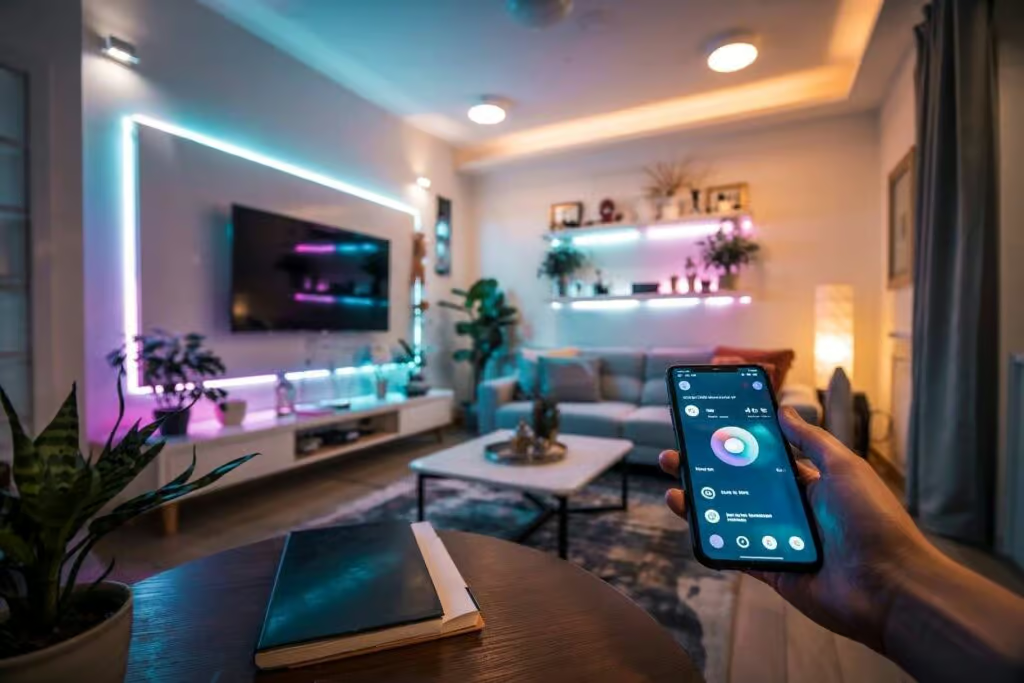


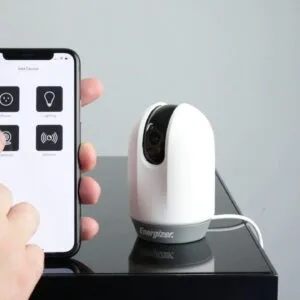


To make your living space more functional, consider choosing a wireless control system for your lighting. These modern devices simplify the process of managing your home’s ambiance, offering a seamless way to handle your lighting needs with just a touch. With clear instructions and various colors available, you can easily customize the appearance to complement your interior design while providing the right atmosphere for any occasion.
- Motion detector switches automate lighting based on movement, improving convenience and energy efficiency.
- PIR, ultrasonic, dual technology, and microwave sensors suit different spaces and detection needs.
- Wireless protocols like Wi-Fi and Zigbee enable remote control, scheduling, and hub integration.
- Proper installation requires matching switch type to wiring, safety precautions, and possibly professional help.
- Smart switches offer app control, voice assistant compatibility, dimming, and energy monitoring features.

Installing a one-pole system is a great alternative for homeowners looking to upgrade their lighting setup. This solution is designed to keep things easier by allowing you to control your lights from anywhere, even in the dark. You’ll find that being able to utilize wi-fi makes a significant difference when it comes to accessibility and convenience. The patterns in which your lights can be controlled can be adjusted based on your lifestyle, whether it’s during daylight or night.
As you learn more about these systems, you may worry less about how to manage your home’s lighting. Enhanced features can keep your environment safe and functional, especially when you’re going out or coming back late. It’s worth noting that these advanced solutions are not only practical but also cater to the aesthetic preferences of the homeowner, ensuring that your space remains inviting and stylish.
How Motion Detector Switches Function
Installing motion detector switches can significantly increase the efficiency of your lighting ecosystem. These devices automatically turn on and off based on movement, which helps in saving energy and providing convenience when you need it. For example, the Honeywell Home RCHTSENSOR is an excellent choice for those looking to add smart features to their environment.
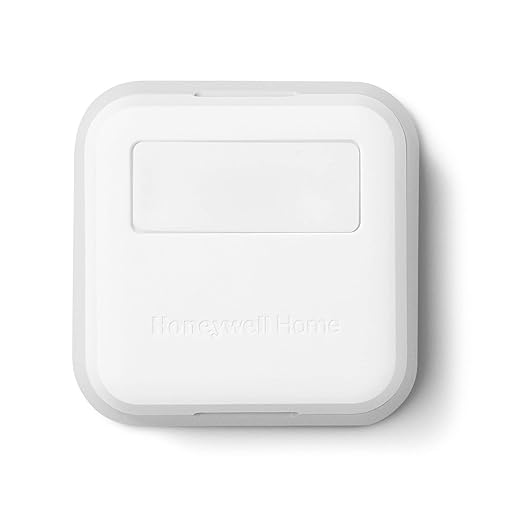
Honeywell Home RCHTSENSOR-1PK, Smart Room Sensor works with T9/T10 WIFI Smart Thermostats
Motion detectors are powered by either batteries or wired connections, making them versatile for various setups. For a seamless installation, ensure you select appropriate products that match the type of circuit you’re working with, such as single-pole configurations. It’s crucial to take note of factors like the area’s size and the sensitivity of the detector, as these elements can impact its performance. Sometimes, adjustments are required to fine-tune the range and responsiveness of the device.
These devices communicate with your lighting system, allowing them to track movement and turn lights on as you enter a room. For example, the Philips Hue White and Color Ambiance Motion Sensor can even adjust color temperatures based on the time of day. This level of automation not only makes life easier but can also enhance the overall aesthetic of your space, especially in rooms with televisions.
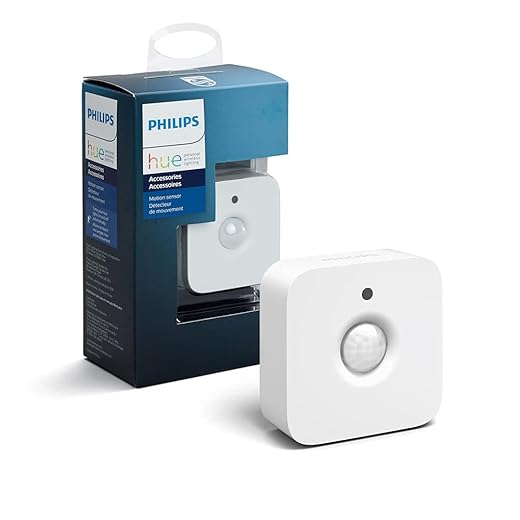
Philips Hue Motion Sensor - Exclusively for Philips Hue Smart Lights - Requires Hue Bridge - Easy, No-Wire Installation
In fact, the increased use of such technology reduces the need for manual switches, allowing lights to remain off until movement is detected. As we move towards a more tech-driven world, integrating these products into your home can provide comfort while promoting less energy waste. Popular options available on platforms like Amazon can offer a range of features tailored to your specific wants and needs.

- The ecobee SmartSensor offers additional temperature control while also functioning as a motion detector.
- Leviton Decora Smart Motion Sensor Switch is perfect for automated room lighting.
- Ring Indoor Cam can work in conjunction with lights responsive to motion, creating a connected ecosystem.


Ring Indoor Cam, Home or business security in 1080p HD video, White
In summary, the benefits of using motion detector switches are clear: they provide convenience, enhance energy efficiency, and adapt to your lifestyle. You’ll find that properly chosen and installed devices will make your daily routine less complicated and more enjoyable.
Principles of Motion Detection Technology
To create an unparalleled experience, choose a motion detection device that works seamlessly with your existing setup. Today, many intelligent devices can monitor your space and adjust lighting automatically, making it easier to manage energy usage. For instance, Philips Hue motion sensors can help you enter a room and have the lights turn on automatically, ensuring you never have to fumble for a switch.
One key factor is how these sensors detect movement. They use technologies like Passive Infrared (PIR) sensing, which detects changes in heat from moving objects. When someone enters the sensor’s range, it triggers the lights to turn on. Many models, such as the TP-Link Kasa Smart Motion Sensor, allow you to schedule specific times for lighting, complementing your home automation and saving you money on electricity.

Kasa Smart Motion Sensor Switch, Single Pole, Needs Neutral Wire, 2.4GHz Wi-Fi Light Switch, Works with Alexa & Google Assistant, UL Certified, No Hub...
With mobile apps available today, you can monitor your devices remotely. This feature means that you can check if you left the lights on and adjust them as needed from your desktop or on the go. It’s worth investing in multiple sensors to cover different areas in your home. Instead of a single device, having multiple strategically placed sensors means you can learn how to manage your lighting much easier.
| Product Name | Features |
|---|---|
| Philips Hue Motion Sensor | Automatic light control, PIR technology, mobile app integration |
| TP-Link Kasa Smart Motion Sensor | Scheduling, remote monitoring, energy saving |
| Ecobee SmartSensor | Temperature and motion detection, mobile app, easy integration |
These devices are not just convenient; they offer a level of control that is beneficial for any modern lifestyle. Integrating motion sensors ensures that you’re always covered, whether you are home or away, creating an intelligent ecosystem that works for you. The right choice can significantly enhance your experience and efficiency at home.
Types of Motion Sensors Used in Smart Switches
For a comfortable living environment, choosing the right type of motion sensor is crucial for your automated controls. There are several types of motion sensors that fit different needs and functionalities, providing advanced conveniences for your house.
1. PIR (Passive Infrared) Sensors
These sensors detect body heat and are great for extended areas like hallways. They will notice movement and activate lights, lowering electricity consumption by only working when needed. For example, the Leviton Decora Smart Dimmer with Wi-Fi Technology uses PIR sensors effectively.
2. Ultrasonic Sensors
These sensors emit ultrasonic waves to monitor movement. They fit well in spaces where guests may come and go, making it easier to control lights without flipping switches. An example is the Philips Hue Motion Sensor, which syncs with your lighting system seamlessly.
3. Dual-Technology Sensors
Combining PIR and ultrasonic technologies, these solutions provide a whole range of operation. They ensure that false triggers are lower since both technologies must detect motion to activate the lighting system. Look for models like the Honeywell Intrusion 5898 Wireless Dual-TEC Motion Detector for enhanced reliability.
4. Micro-wave Sensors
Operating at a higher frequency, these sensors can sometimes detect movement through walls or obstructions. They are excellent for monitoring large open spaces. The Aqara Human Presence Sensor FP2 is a great example of this technology in action.

Aqara Presence Sensor FP2, mmWave Radar Wired Smart Motion Sensor, Zone Positioning, Multi-Person & Fall Detection, Supports HomeKit, Alexa, Google Home, and...
Ultimately, the choice of sensor will depend on your needs and the layout of your space. Ensure that the sensor you select will optimize efficiency and provide comfort while leaving your lights on only when necessary.
Signal Processing and Activation Mechanisms
When you consider the technology behind these devices, it’s crucial to pay attention to how signal processing operates. Indeed, most modern options rely on wireless communication, which provides flexibility in compatibility with various appliances. For those looking to enhance their room’s decor, choosing a unit that blends seamlessly with your existing finishes can be a game-changer.
For instance, products like the Lutron Caseta Wireless Smart Lighting Kit are great for those who prefer a straightforward installation without extensive wiring. They utilize wi-fi to ensure effortless control from your desktop or smartphone. This solution not only makes your life simpler but also gives your space a modern feel, as it easily integrates with the existing color scheme of your home.

Lutron Caseta Original Smart Light Switch Kit w/ Wall Plate and Smart Hub, Compatible w/ Alexa, Apple Home, Google Home, Single-Pole/3 Way, 5 Amp, P-BDG-PKG1WS
In addition, you might notice that many options have on-wall designs, allowing you to place them strategically to create a smooth flow in the room. Consider products like the Philips Hue Smart Dimmer Switch, which allows for movement and activation based on your preferences. This capability is especially beneficial for users who want to lower energy usage while still having the flexibility to adjust their lighting according to mood or activity.

Philips Hue Smart Wireless Dimmer Switch V2 (Installation-Free, Exclusive Philips Hue Lights) for Indoor Home Lighting, Livingroom, Bedroom
One aspect to further think about is the kobles involved; opting for models that provide easy-to-understand wiring instructions makes installation hassle-free. On platforms like Amazon, you can find a variety of units that can match your specific needs. For instance, the TP-Link Kasa Smart Wi-Fi Light Switch offers a cost-effective solution that still feels premium due to its user-friendly design and reliable performance.

Kasa Smart Light Switch HS200, Single Pole, Needs Neutral Wire, 2.4GHz Wi-Fi Light Switch Works with Google Home, UL Certified, No Hub Required, White
In conclusion, the changes and mechanisms behind activation are integral to selecting the right product. Whether it’s a simple switch or a more complex system, ensure you choose ones that not only meet your functionality needs but also enhance the overall feel and design of your space.
Energy Consumption of Motion Detector Switches
If you want to cut down on your energy bill while enhancing your home’s efficiency, consider installing motion detector systems. These devices can significantly lower your energy consumption by ensuring that lighting is only activated when needed. For example, a popular choice is the Philips Hue White and Color Ambiance light bulbs, which allow for remote customization and energy-saving features.

Philips Hue A19 LED Smart Light Bulb - White and Color Ambiance - 60W Indoor Light Bulb - Control with Hue App - Compatible with Alexa, Google Assistant and...
Motion sensors often automate your lighting, turning it on when you enter a room and off when you leave. This level of reliability is something you may have yet to experience with traditional switches. By using variable settings, you can adjust the sensitivity and duration of the lighting, maximizing efficiency without sacrificing convenience.
In the morning, as you rush about your routine, these systems can make your lifestyle safer. No more fumbling for switches in the dark; the lights automatically illuminate your path. Moreover, the right products can give your space a fresh look with various colors, setting the mood for relaxation or energy.
Takeaways from users indicate that installing motion detector technology saves energy and enhances home security. Products like the Wemo Wifi Smart Light Switch have received positive feedback for their user-friendly experience and energy-saving capabilities. If you’re looking to invest in something that fits your needs, these solutions are reliable and effective.

Wemo Smart Light Switch with Thread - Smart Switch for Apple HomeKit - 3 Way Switch Compatible - Smart Home Products, - Can only be used with Apple HomeKit,...
Remember, customization is key. Don’t limit yourself to standard settings; explore different options to find what works best for you and your guests. With these devices, not only can you reduce energy spend, but you can also elevate the overall experience of your living space.
Installation and Setup Considerations
When planning your installation, it’s crucial to choose the appropriate model for your needs. For instance, a single-pole switch is often ideal for controlling lights in a single room, whereas multi-way switches, like Zigbee models, enable you to control lights from multiple locations. This can save you time and effort in the long run.
Consider the safety aspects of the installation. Make sure to turn off the power at the circuit breaker before handling any wiring. This ensures you’re working within safe conditions, avoiding potential electrical hazards. Additionally, if you’re not comfortable with electrical work, it might be wise to consult a professional to handle the installation for you.
Setup follows installation, and it’s here where many wonder how to get the most out of their switches. Choose models that provide mobile app control, allowing you to schedule lights conveniently. For example, certain models available on Amazon can integrate with your existing smart home systems, allowing for seamless management of your lighting. Look for options that generate usage reports; they’re useful for understanding your consumption patterns and can assist in further saving energy.
In today’s market, you will find a range of models with high functionality and user-friendly features. Many applications offer scheduling, control via voice commands, and automation alongside basic on/off functionalities. These capabilities make it easier to customize your environment according to your lifestyle. Make sure to read reviews and check compatibility with your existing setup.
In conclusion, careful consideration of your needs, safety precautions, and understanding the available models will greatly enhance your experience with these modern devices. By following the advice in this article, you can confidently set up switches that will elevate your living space efficiently.
Q&A:
How do smart light switches connect to my home network?
Smart light switches typically connect to your home network using Wi-Fi or Zigbee protocols. Wi-Fi switches link directly to your existing Wi-Fi router, allowing you to control them via a mobile app or voice assistant. Zigbee switches require a compatible hub that communicates with the switch and your Wi-Fi network, creating a more centralized smart home system. You will need to follow the manufacturer’s instructions for setup, which usually involve connecting the switch to your network through a smartphone app.
Are smart light switches difficult to install?
The installation process for smart light switches can vary depending on whether you’re replacing a traditional switch or installing a new one. Generally, the replacement involves turning off the power at the circuit breaker, removing the old switch, and connecting the new one to the same wires. Many smart switches come with detailed installation guides, but if you’re uncomfortable with electrical work, hiring a professional may be a better choice. Additionally, some models may require a neutral wire, so ensure your home’s wiring can accommodate this if you’re considering an installation.
What features should I look for in a smart light switch?
When selecting a smart light switch, consider features like compatibility with voice assistants such as Amazon Alexa or Google Assistant, ease of installation, and app functionality. Look for options that include scheduling capabilities, dimming functions, and scene-setting to enhance your smart home experience. It’s also beneficial to check if the switch can be controlled remotely and if it provides energy monitoring to track usage. Lastly, make sure the design fits with your home decor, as some switches come in a variety of styles and colors.
Can I control multiple smart light switches from one app?
Yes, most smart light switches are designed to be controlled through a single application, regardless of how many switches you have installed. This allows you to manage multiple lights from various locations in your home all in one place. Depending on the brand of the switches, the app may also allow you to create groups, enabling you to turn on or off several switches simultaneously or set a lighting scene for a specific occasion. Just ensure that all your switches are compatible with the chosen app to take full advantage of this feature.
What are the advantages of using smart light switches compared to traditional dimmers?
Smart light switches offer several benefits over traditional dimmers. One primary advantage is remote access— you can control your lights from anywhere using your smartphone. Smart switches also typically provide scheduling options and automation features, allowing lights to turn on or off based on your routines or triggers like motion sensors. Many modern smart switches support energy monitoring, helping you track usage patterns and potentially save on electricity bills. Additionally, they often integrate with voice assistants, giving you the convenience of voice control as an alternative to manual adjustments.