


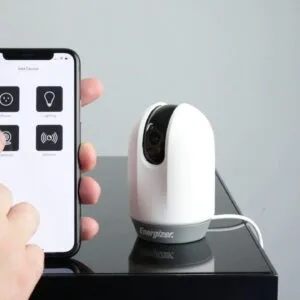


In today’s fast-paced world, the integration of smart voice assistants into our daily lives has created a profound shift in how we interact with technology. These voice-controlled devices have been engineered to enhance comfort and convenience, offering a range of options that simplify every aspect of our living environment. With additional functionalities like automated temperature controls and the ability to adjust blinds, these assistants not only look to improve our homes but also really assist in making life easier.
The integration of artificial intelligence into these common applications allows smart assistants to learn our habits and preferences, ensuring that they can automatically respond to our needs. From adjusting the thermostat to controlling lights, these devices bring a level of natural interaction that was previously unavailable. Each command is executed through verbal prompts, making the user experience seamless and intuitive.
Manufacturers have embraced the potential of smart technologies, consistently pushing the boundaries of what these assistants can do. The best examples of this integration can be seen in homes where multiple systems are interconnected through hubs, allowing for a cohesive ecosystem that operates directly through voice commands. By adding a layer of automation to our environments, these voice assistants have truly transformed how we manage our daily routines, making previously tedious tasks effortless.
Voice Control Works Well With Others
Voice control technology is rapidly transforming how we interact with our devices, creating a future where controlling our environment is as natural as having a conversation. The ability to use verbal commands makes it a great solution for various tasks, allowing a hands-free lifestyle that elevates our day-to-day activities. Imagine walking into your home and simply saying, “Turn on the lights,” and watching them illuminate automatically. This seamless interaction is where the true benefits of voice control come into play.
Moreover, voice assistants can analyze verbal commands and execute a range of automated functions. For instance, you can check the weather, start shopping lists, or even lock your doors without lifting a finger. Products like the Amazon Echo or Google Nest Hub allow for these interactive experiences, offering solutions for everyone from busy parents to tech-savvy individuals like Josh, who appreciate the convenience of quick commands in their daily routines.
Different voice control applications enhance our lifestyles by integrating with various smart devices. Whether you are driving and need to adjust your music, or starting your day with a morning routine that includes checking the news and adjusting your thermostat, the future looks promising. Voice assistants are not just limited to controlling lights; they can also manage multiple devices simultaneously, creating an interconnected system that simplifies everyday processes.
The language capabilities of modern voice assistants are continuously learning. They adapt to understand natural speech patterns, making interactions more enjoyable. For example, if you say, “Play my favorite movie,” the system will quickly understand and execute the task, providing an ideal solution for entertainment without physical effort. This innovative technology is what makes voice control a great solution for our increasingly busy lives, effectively allowing us to focus on what truly matters.
Integrating Voice Assistants with Smart Home Devices
Integrating voice assistants with smart home devices offers a seamless way to automate daily tasks, making life significantly easier. With gadgets like the Amazon Echo or Google Nest Hub, users can control lighting, temperature, and security features, allowing for a tailored experience in their homes. This integration has been embraced by many, helping to identify common challenges that people face in managing their households.
One of the great advantages of voice-controlled technology is the efficiency it brings to routine processes. For example, in the morning, you can simply say, “Good morning, Josh,” and your voice assistant will adjust the thermostat, turn on your coffee maker, and even provide a weather update. Such interactions streamline tasks and reduce the fear of forgetting essential activities.
Voice assistants have also been designed to detect speech in various languages, making them compatible with a wide range of users. This adaptability looks to create a more inclusive environment in smart homes. Whether locking the doors or dimming the lights, executing commands through natural language feels intuitive. The extensive applications of voice technology make it particularly valuable for both tech-savvy individuals and professionals who want to automate their offices.
Apps that complement these voice assistants offer additional functionalities, enabling users to customize their experiences further. Products like the Philips Hue smart bulbs and the August Smart Lock can be easily integrated with platforms such as Amazon Alexa, enhancing overall efficiency and convenience. Making your home smarter is not just about having the latest gadgets; it’s about creating a harmonious interaction between technology and daily life.
Enhancing Productivity with Voice Commands
Voice assistants like Alexa, Siri, and Cortana are equipped with robust speech recognition technology that makes completing tasks much easier. They allow you to perform various actions, such as sending texts, setting reminders, or streaming music, without the need for typing. This automated process not only saves time but also enhances your overall productivity. Imagine waking up each morning and simply saying, “Alexa, give me a summary of my day.” It’s a nice way to start, knowing your tasks are managed accurately and efficiently.
One of the great advantages of using voice commands is the natural flow of conversation. Instead of scrolling through your phone to find information, you can open a search engine and ask a question aloud. This is particularly useful when your hands are busy or when you are driving. Integrating voice commands into your daily habits allows you to adjust your work process while remaining focused on the task at hand.
Many products offered on platforms like Amazon, such as the Echo Dot or Google Nest Hub, provide seamless connectivity with various smart home devices. This connectivity also means you can control lighting, thermostats, and even security systems from your phone or with just your voice. With these devices, adjusting settings becomes an effortless experience, giving you the comfort and convenience you need.
As we’ve learned, voice assistants not only save time but also help in managing our busy lives. The automation they provide can lead to enhanced efficiency, allowing you to focus on what truly matters. Whether you prefer using Siri for hands-free calling or listening to your favorite playlist through Alexa while multitasking, these innovations turn a limited task into a valuable and engaging experience. The future of productivity is here, and embracing it can transform your daily routines.
Voice Assistants in Accessibility: Bridging Gaps for Users
Voice assistants, like Siri and Amazon Alexa, are changing the way people interact with technology, especially for those seeking greater accessibility. These devices work continuously to simplify tasks and enhance experiences, providing valuable support in various situations. For individuals with mobility challenges, voice assistants can control smart home automation devices, manage temperature settings, or lock doors, all without the need for remote controls or scrolling through apps.
The main benefit of voice assistants lies in their ability to make technology accessible for everyone, including people with disabilities. For example, users could automatically adjust the lighting in a room or play their favorite music just by using their voice. This kind of convenience is particularly helpful in making daily tasks easier and more manageable, allowing users to focus on what truly matters in their lives.
Additionally, third-party manufacturers are creating compatible devices that work seamlessly with voice assistants. Smart hubs can connect various room automation devices, allowing users to control multiple gadgets from one place. For instance, if a user wants to change the temperature, they can simply ask, “Alexa, set the temperature to 72 degrees.” This kind of integration not only enhances the user experience but also teaches the device to learn specific preferences over time.
Voice assistants can hear various accents and adapt to different speech patterns, making them valuable tools for a diverse range of users. This functionality encourages seamless communication between people and technology, allowing users to dictate tasks or ask questions without hesitation. Data management becomes easier, as voice commands streamline operations, paving the way for smarter habits in daily life.
| Amazon Echo Dot | Compact smart speaker with Alexa for voice control of smart devices. | Visit Amazon |
| Philips Hue Smart Bulbs | Smart lighting that adjusts via voice commands to set the mood. | Visit Amazon |
| August Smart Lock | Smart lock that allows remote access and control via voice assistant. | Visit Amazon |
In conclusion, voice assistants are not only enhancing the way we interact with technology but also bridging gaps for people with accessibility needs. Their ability to learn user habits and preferences makes them a particularly valuable asset in any smart home. Users can manage tasks easier, making life more convenient and enjoyable.
Customizing Voice Responses for Personal Experience
With the rise of smart voice assistants, the ability to customize voice responses has become a significant advancement in making our daily interactions more comfortable and efficient. These devices, such as the Amazon Echo or Google Nest Hub, have capabilities that allow users to create personalized experiences tailored to their specific needs. Instead of a generic response, these voice-controlled assistants can now greet you with a more familiar tone or adjust their interactions based on the context of the room.
Integrating customization features means that users can select different voices or styles of communication for their smart assistants. For instance, you might prefer a casual tone during the day, while a more professional approach could be ideal for work-related tasks. This customization enhances the overall user experience, making the technology feel more relatable. In homes where multiple people interact with the assistant, the ability to adjust responses helps in managing differences in preferences effectively.
Advanced integration of data allows these devices to learn from past interactions, turning basic commands into more nuanced conversations. For example, if you often say “goodnight,” your voice assistant can autonomously adjust the lighting, lock doors, and provide reminders for the following day. This level of connectivity enhances your living space by creating a seamless experience that feels like the assistant truly understands you. Products such as the Philips Hue Smart Bulbs can be installed and controlled with simple voice commands, proving to be an ideal companion for voice assistants.
While accessing various functionalities, these smart devices can integrate with different household items like thermostats or speakers to create an ecosystem of convenience. By selecting what each room looks like or the tasks your voice assistant manages, you can improve the functionality of your smart home. The potential for customization is vast, allowing for not just better voice responses but also a more integrated and enjoyable lifestyle.
In summary, customizing voice responses is a game-changer in the world of smart technology. With just a few settings, you can transform your interaction with your voice assistant into a more personalized experience that works for you and your family. Whether adjusting the volume while playing your favorite music or turning off the lights automatically, these features are here to enhance your everyday life.
Privacy Concerns: What You Should Know About Voice Data
As technology continues to evolve, voice assistants like Amazon’s Alexa and Microsoft’s Cortana are significantly transforming the way we interact with our homes. These smart devices are enhancing the simplicity of our daily lives by connecting various automated systems, from thermostats to light controls. However, with these conveniences come comprehensive privacy concerns that every homeowner should carefully consider.
Voice assistants gather valuable audio data, learning from our interactions to adjust settings instantly. For example, if you tell your device to set the morning temperature to 72 degrees, it remembers this preference for future adjustments. This learning capability allows for a more tailored experience, but it also raises questions about data security and privacy.
- Consider the data being recorded: Voice assistants capture messages and commands, including sensitive information.
- Analyze the compatibility of smart devices: Ensure that all your devices, like smart lights and remotes, are secure and trustworthy.
- Be aware of what’s included in the privacy policy: Many users may not fully understand the differences between data usage terms.
Josh, a tech enthusiast, emphasizes the importance of understanding how much data is shared with companies. For instance, we’ve seen increased interest in smart home devices on Amazon, with options that include automated lighting systems and temperature controls. Homeowners should be vigilant about the type of messages being sent to these platforms and the privacy features available.
As you enhance your smart home setup with products like the Philips Hue smart light bulbs or the Ecobee SmartThermostat, it’s crucial to take necessary precautions. Regularly review your settings, adjust permissions, and stay informed about the latest privacy updates. Although these innovations dramatically improve our daily lives, awareness and proactive measures are essential to ensure your information remains secure. By understanding the dynamics between convenience and privacy, you can maximize the benefits of these technologies while safeguarding your data.
Future Innovations: What’s Next for Voice Technology?
The future of voice technology is truly exciting, with innovations designed to understand and respond to our needs more efficiently. As devices continue to evolve, companies like Amazon and Cortana are paving the way for smarter interactions. Imagine walking into a room and having your voice-controlled assistant automatically adjust the lights based on your mood. These capabilities are not just fantasy; they are the kind of natural interactions we can expect as technology advances.
One of the primary challenges remains ensuring that voice assistants can detect and understand a wide range of accents and expressions. Companies are working on improving these systems through better algorithms and data-driven approaches. For example, take the latest Amazon Echo Dot, which offers seamless integration with various smart home apps for managing everything from your thermostat to your coffee machine. With every update, these devices are not just becoming more accessible but also more capable of executing specific tasks with ease.
Moreover, with advancements in voice automation, people will be able to enjoy a more automated lifestyle. For instance, saying “Goodnight” to your smart assistant could initiate a series of automated tasks: locking doors, turning off lights, and even playing your favorite movie. This level of efficiency is perfect for managing daily routines effortlessly.
The vision for voice technology also includes enhancements for driving experiences. Imagine being on the road and simply telling your assistant to navigate you to the nearest coffee shop or update you on online events while you remain focused on the road. This automation can help make our daily lives smoother and improve productivity.
As we look ahead, the integration of voice technology into various aspects of our lives continues to unfold. From security solutions that lock doors with a simple voice command to voice-controlled assistants that are capable of managing complex tasks, the future is bright. With each innovation, we’re not just making technology better; we are also helping create a world where interaction is more human and less machine-like.
Questions and answers:
How do smart voice assistants help with daily tasks?
Smart voice assistants simplify daily tasks by allowing users to perform a variety of functions using voice commands. For instance, they can set reminders, manage schedules, control smart home devices, provide weather updates, and even play music. This hands-free capability enables users to multitask more easily and saves time, as they don’t have to input commands manually or navigate through apps.
What are some innovative features of smart voice assistants that stand out?
Some standout features of smart voice assistants include personalized suggestions based on user habits, multi-language support, and compatibility with various smart devices. For instance, they can learn a user’s preferences over time, making suggestions for music or reminders more tailored. Additionally, capabilities like voice recognition allow them to differentiate between different users, offering a customized experience for each individual.
Can voice assistants help with accessibility for individuals with disabilities?
Yes, voice assistants significantly enhance accessibility for individuals with disabilities. They allow users with mobility impairments to control their environment through voice commands, enabling them to operate devices, access information, and communicate more easily. Features like text-to-speech and speech-to-text also help those with visual impairments or hearing challenges by providing auditory feedback or converting speech into written text, respectively.
Are there privacy concerns associated with using smart voice assistants?
Absolutely, privacy concerns are a significant topic of discussion regarding smart voice assistants. These devices often listen for wake words and may record interactions, leading to fears about data security and unauthorized access. Users should be aware of privacy settings and adjust them according to their comfort level, and regularly review what data is collected to mitigate risks. Many companies provide options to delete voice recordings or limit data usage, which can enhance user trust.
How do smart voice assistants impact family dynamics?
Smart voice assistants can positively impact family dynamics by promoting communication and collaboration. For example, they can help families coordinate schedules, set reminders for family events, or assist with tasks like cooking through recipe readouts. Additionally, kids can use these devices for educational purposes, such as homework help or learning new facts. However, it’s essential for families to discuss and establish boundaries concerning screen time and voice assistant interactions to ensure a healthy balance.
What are the main benefits of using smart voice assistants in daily life?
Smart voice assistants offer a range of advantages that make everyday tasks more manageable. One of the key benefits is convenience. These assistants allow users to perform various tasks hands-free, such as setting reminders, controlling smart home devices, and answering questions. This can enhance productivity by allowing individuals to multitask without needing to use their hands or look at a screen. Additionally, they can provide personalized recommendations based on user preferences, which can enhance entertainment choices or suggestions for recipes. Overall, smart voice assistants help streamline daily routines, making life easier for their users.
How are innovations in smart voice technology improving user experience?
Innovations in smart voice technology significantly enhance the overall user experience. Recent advancements include improved natural language processing, enabling voice assistants to understand context and respond more accurately. This makes interactions feel more intuitive and human-like. Moreover, integration with various smart devices has expanded, allowing for more seamless control of home environments, from adjusting lighting to playing music. Privacy features have also been upgraded, reassuring users about data security. These technological improvements contribute to a more engaging and personalized experience that encourages users to rely on voice assistants in their daily lives.


