


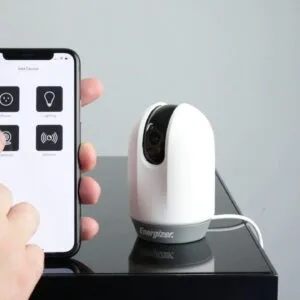


In an age where smart technology is transforming our daily lives, home security systems have taken a significant leap forward. As burglars become increasingly sophisticated, the necessity for an effective and reliable security solution is more vital than ever. This guide embarks on a journey through the dynamics of modern security systems, showcasing how recent advancements make it easier for homeowners to protect their spaces effectively.
Smart home security starts with understanding the different types of systems available on the market, each with unique features and capabilities. Many systems are designed to operate out-of-the-box, offering seamless connectivity through various sensors, controllers, and companion apps. With impressive functionalities, including energy management options, these systems provide value beyond mere protection, making them essential investments for any modern home.
The journey to a secure home often begins with choosing the right components, including advanced locking mechanisms and surveillance systems that can be controlled from your smartphone. Today’s smart security panels serve as the gateway to your entire system, allowing for automatic alerts in case of any suspicious activity, giving homeowners peace of mind. Regardless of whether you’re considering a three-year plan or a more flexible subscription, investing in these technologies can safeguard what matters most and help prevent potential break-ins.
Understanding Smart Home Security Systems
Smart home security systems are designed to provide full protection for your house, meeting the needs of families looking for reliable safety solutions. Unlike traditional security measures, smart systems offer different levels of integration and control, allowing users to manage their home security from a simple app on their phone. Products like the SimpliSafe Home Security System offer a wide range of features that can be customized to fit your specific safety requirements.
When considering a smart security system, it’s essential to look for brands that have been tested and rated highly by experts. Many systems use advanced software that creates a seamless experience, allowing for easy pairing with other smart devices in your home. This integration means that you can set scenes that control lighting and alarms together, providing complete supervision of your residence. For instance, the Ring Video Doorbell is an ideal product that opens up a world of monitoring, alerting you when intruders approach your door.
Importantly, smart home security systems provide additional layers of resilience against potential threats. They can detect heat and movement, notifying you if anything unusual occurs. For example, the Arlo Pro 4 camera not only delivers high-quality video but also reliably sends alerts to your phone whenever it detects movement, allowing you to respond quickly to potential intrusions.
If you’ve just started exploring smart home technology, reviewing expert advice or meeting with a security specialist can help clarify the differences among products. Take the time to download apps and familiarize yourself with the specifications of various systems. If you find a product that suits your needs, consider scheduling regular checks or updates to ensure everything is working smoothly.
Ultimately, understanding how smart home security systems function will help you make informed choices that protect your home with the best technology available. By prioritizing safety and selecting the right products for your unique needs, you can create a secure environment for your family.
Key Features of Modern Security Systems
When it comes to protecting your home, understanding the key features of modern security systems is essential. Homeowners are increasingly investing in smart security solutions that not only deter crime but also provide convenience and peace of mind. Brands like Simplisafe and ADT offer user-friendly systems that can be tailored to suit your specific needs.
One of the primary features to look for is remote access. Many modern systems allow users to monitor their home from anywhere, sending notifications whenever unusual activity is detected. This capability means that your home is protected even when you are away, ensuring your presence is felt even if you’re not physically there.
Integration with other smart devices is another crucial aspect. For instance, security cameras can be seamlessly integrated with smart lights and door locks. This synergy enhances overall security by triggering certain actions, such as turning on lights when motion is detected. Such automation not only increases protection but also provides a more comfortable living environment.
Testing and monitoring are vital for any security system. Regularly testing your system for issues ensures that it is always operational. Many services offer extended warranties and customer support to assist with any concerns, giving homeowners a reason to feel secure. Additionally, opting for subscription services with clear, transparent fees will help you avoid unexpected charges later on.
Another feature that enhances security is occupancy sensing. Systems equipped with passive occupancy sensors can detect whether a space is in use, which can help determine potential vulnerabilities. For example, if the system notices that a room is occupied late at night, it won’t trigger false alarms.
- Simplisafe Home Security System – A user-friendly option that’s easy to install and monitor.
- ADT Indoor Security Camera – Perfect for monitoring your home remotely.
As you research and think about your home’s security for the future, remember that investing in smart technology is not just a purchase–it’s a proactive step towards protecting what matters most. The right system will keep you informed and safe while you enjoy peace of mind at home.
Types of Security Cameras and Their Uses
In the realm of home security, controlling your environment effectively can be achieved through various types of security cameras. These devices, when placed strategically throughout your house, can significantly reduce the risk of burglary and provide an extra layer of protection against intrusions. Today, we’ll explore the numerous types of security cameras available on the market, their capabilities, and how they might best serve your needs.
One type of camera that has gained popularity is the outdoor security camera, often referred to as a weather-resistant model. These cameras are typically placed to monitor entrances, garages, and backyards, allowing for broader coverage of your property. For example, the Arlo Pro 4 offers advanced features such as 2K HDR video and color night vision, which can help deter potential intruders with its fine image quality and sound alerts. Earlier models of outdoor cameras might not have included such high-resolution capabilities, but today’s options have come a long way in terms of performance.
Another essential type is the indoor security camera, which is dedicated to monitoring activities within your home. These cameras, such as the Ring Indoor Cam, can be used for defining boundaries of where monitoring is needed. Many models today include two-way voice interactions, allowing homeowners to communicate through the camera itself, which can be a critical feature when you want to greet someone who has come to your door or scare off uninvited guests. The cost of these cameras varies, but they often offer subscription plans to help with storage fees.
Some cameras could be left unmonitored, focusing on specific zones of interest while providing alerts through mobile applications. For instance, the Wyze Cam is a budget-friendly option that offers remarkable functionalities without the hefty price tag, providing you with the flexibility to set it up according to your logic and design preferences. The importance of maintenance cannot be understated, as ensuring your cameras remain functional is key to their effectiveness against potential floods of intrusions.
In conclusion, the types of security cameras you choose depend not only on your specific needs but also on the overall layout of your house. By adding such systems to your home, you’re investing in peace of mind and added security. Heres to keeping your home safe and sound with the right technology today!
Smart Locks vs Traditional Locks: What You Need to Know
When it comes to securing your home, the choice between smart locks and traditional locks is an important one. Both types of locks have their benefits, but they serve very different purposes. Traditional locks have been around for centuries, while smart locks have only recently gained popularity due to advancements in technology.
Traditional locks typically provide reliable security through mechanical keys. They require a physical key for entry, which can lead to problems if a key is lost or stolen. In this case, you may need to hire a technician to rekey or replace the locks altogether. On the other hand, smart locks use various technologies to provide ease and improved security. Most smart locks can connect to your home’s Wi-Fi or Bluetooth and can be controlled via smartphone apps. With these apps, you’re able to check the status of locks, grant access to visitors, and even monitor your home in real-time with related tech like CCTV.
Let’s compare the two types of locks based on several important factors. Smart locks offer features such as remote access, which allows homeowners to lock or unlock doors from anywhere. This can enhance your home’s security and create a more convenient routine. Traditional locks, while dependable, lack these advanced features. However, smart locks can come with fees related to installation and ongoing service requirements. You can expect to pay slightly more for smart technology, but many find the investment worthwhile due to the improved security measures.
| Access Method | Smartphone Apps | Physical Key |
| Installation | Professionals Required | DIY Possible |
| Security Level | Improved Detection | Basic Security |
| Cost | Higher (includes fees) | Lower |
Smart locks have become fully integrated into many home security systems, significantly reducing the risk of intrusion. These locks can also keep a record of who comes and goes, thanks to recognition technology. This adds a layer of security that traditional locks simply can’t offer. For instance, popular products like the August Smart Lock Pro or the Schlage Encode Smart Wi-Fi Deadbolt can be easily plugged into your existing system for added protection.
Ultimately, the choice between smart locks and traditional locks depends on your individual needs and level of comfort with technology. If you value convenience, connectivity, and advanced security features, investing in smart locks may be the way to go. However, if you prefer a simple, straightforward approach, traditional locks might still be a fine choice for the time being. Take the time to weigh your options, as the right locking system can make all the difference in securing your home effectively.
Integrating Sensors for Comprehensive Coverage
When it comes to securing your home, integrating reliable sensors is key to providing comprehensive coverage. Whether you live in a cozy apartment or a spacious house, having a smart home security system that can communicate effectively is essential. Sensors can monitor various elements of your abode, ensuring that you’re aware of any disturbances or unusual activities. For example, motion detectors can alert you if somebody enters your home when they’re not supposed to.
Many modern security solutions operate seamlessly with other devices, like smart thermostats and lights. This flexibility allows for a more integrated experience. Products like the Ring Video Doorbell and the August Smart Lock can record events and send you notifications immediately. If a break-in occurs, sirens will sound, giving an audible warning to deter intruders. These added features can help you self-monitor your property, giving you peace of mind whether you’re at home or offline.
Market research shows that the integration of different sensors, including cameras, keypads, and smart plugs, offers an overall effective security solution. For those who might not have the budget for a fully wired system, there are widely available wireless options that can easily fit into your setup. Products like the Wyze Cam and Philips Hue Smart Plugs not only enhance your security protocol but are also compatible with existing smart home technology.
As you explore different options, consider the manufacturer’s reputation and the experience of other users. Look for sensors that last a long time and can withstand various environmental factors. The right combination of passive and active monitoring will ensure your safety and that of your loved ones. Investing in this technology now could save you from unpleasant surprises in the future. Remember, the best security system is one that suits your lifestyle and meets your specific needs.
Monitoring Options: DIY vs Professional Services
When it comes to smart home security systems, choosing between DIY (Do It Yourself) and professional monitoring services has its advantages. With DIY systems, like the Ring Video Doorbell or the Arlo Pro 4, installation is often straightforward and can be done within weeks without the need for additional intervention. You simply set up the devices, customize the settings, and you’re ready to go. This gives you full control over your home security and allows you to monitor it right from your smartphone.
One significant benefit of DIY systems is the reduced cost. You avoid monthly fees associated with professional monitoring, which can be a crucial factor for many homeowners. Plus, many systems offer sophisticated features like automation with your smart assistants, seamless connectivity with HomeKit, and even alerts for any breaches. Once configured, these systems operate efficiently and alert you via calls or notifications if something seems off.
On the other hand, professional monitoring services provide a layer of security that DIY options might lack. With dedicated teams monitoring your home around the clock, you can rest assured knowing that help is on call in case of an emergency. For instance, systems like ADT or Vivint allow for immediate intervention, ensuring that someone is always there to assist you in case of a dangerous situation. This option may come at a higher price, but the peace of mind can be invaluable.
Ultimately, the choice between DIY and professional services boils down to your preferences and lifestyle. If you’re the kind of person who enjoys the journey of technology and appreciates the ability to customize every aspect of your system, DIY might be the right choice for you. However, if you prefer having the assurance of professionals looking after your home while you’re offline, investing in professional services could be well worth it. Both options have their merits, and it’s crucial to evaluate them carefully to determine which fits best within your life and your home security needs.
Setting Up Your Smart Security System
When setting up your smart security system, the first step is activation. Choose a system that meets your needs and is easy to use. Popular formats include options that allow you to monitor your home from both online and offline sources. A system like the Ring Video Doorbell pro provides excellent activation features, allowing notifications for movements outside your home.
Consider specialized cams that include night vision capabilities. This feature is especially important for those who want to ensure protection during the night when burglars are most active. For example, the Arlo Pro 4 offers high-quality night vision and can be paired with voice assistants for added convenience. When investing in these systems, remember to read reviews to understand the impact of each product.
Adding multiple devices creates a robust security setup. For instance, you might want to include motion detectors, door sensors, and floodlight cameras. Each of these components will assist you in providing around-the-clock security. Consider the impact of the layout of your home; building mesh networks can ensure that your signals reach all corners, reducing dead zones.
During holidays, many users leave their homes for extended periods, making this the perfect time for burglars to strike. A system that can respond immediately to intrusions provides peace of mind. Consider installing systems that offer optional features, such as alerts to your phone or a panic button you can easily press if needed. Products like the Google Nest Secure system allow for easy activation and monitoring.
Remember, while selecting smart security systems, it’s important to consider not just the cost but also the features and how they will benefit you in the long run. By investing in the right solutions, you’ll ultimately create a safer environment for you and your family.
Choosing the Right System for Your Home
When it comes to home security, selecting the right system can feel overwhelming for any homeowner. With numerous options available, it’s essential to prioritize your safety without exceeding your budget. Investing in the best technology ensures your home is equipped to handle extreme situations, such as emergencies or holiday-related dangers.
Start by comparing the plans offered by different security systems. A complete system might include features like video surveillance, outdoor cameras, and sirens that emit alerts when danger is detected. While these features might seem like optional extras, they can significantly raise your home’s safety status. For example, the Arlo Essential Spotlight Camera provides RGBW night vision, allowing you to monitor your property even in low-light conditions.
Next, consider how the installation process will affect your decision. Many systems offer remote installation guides that make setup easier–saving you time and money. Check the reviews to see if users found the process simple. Products like the Ring Alarm Security Kit are particularly useful because they can be set up quickly, ensuring you are alerted of any potential threats shortly after installation.
Don’t forget about the tech aspect. The ultimate smart home platforms allow you to control your security system from your phone or smart device. This feature can be extremely useful for pet owners or those who travel often. Some systems even provide recorded text alerts and remote monitoring, ensuring you’re always informed, no matter where you are.
Lastly, while comparing prices, you should remember that the most expensive option isn’t always the best one for your needs. Use a scorecard to evaluate the features that matter most to you, like emergency response times, pet compatibility, and ongoing maintenance costs. The home security products on Amazon offer various price points, so you can find a system that suits your budget and safety requirements.
Questions and answers:
What are the main features to look for in a smart home security system?
When choosing a smart home security system, consider features such as real-time monitoring, video surveillance, motion detection, mobile app access, and integration with other smart home devices. Look for systems that offer customizable alerts, cloud storage for video footage, and compatibility with smart assistants like Alexa or Google Assistant. Additionally, check for options like simulated occupancy lights and emergency contacts that enhance security.
How much does a smart home security system typically cost?
The cost of a smart home security system can vary widely depending on the brand, features, and installation options. On the lower end, basic systems may start around $100-$300, which usually includes essential devices like cameras and sensors. DIY systems tend to be more affordable, while professionally installed systems can cost anywhere from $500 to $2,000 or more. Keep in mind ongoing costs such as monthly monitoring fees, which can range from $10 to $50, depending on the service level you choose.
Can I install a smart home security system myself?
Yes, many smart home security systems are designed for DIY installation. These systems typically come with clear instructions and can be set up without professional assistance. Popular brands offer easy-to-mount cameras, door sensors, and other components, making it possible for users to customize their setups according to their needs. However, if you prefer a professional installation or need help with integration into an existing smart home setup, many services provide that option as well.
Are there any privacy concerns with smart home security systems?
Privacy concerns do exist when it comes to smart home security systems, mainly due to data collection and potential hacking risks. Users should be aware that systems often collect personal data, and a security breach could expose video feeds or other sensitive information. To mitigate these risks, it’s advisable to choose systems with robust encryption, regularly update your devices, and adjust privacy settings in the accompanying apps. Always review the privacy policies to understand how your data is used and protected.
What should I do if my smart home security system goes offline?
If your smart home security system goes offline, first check your internet connection, as many systems rely on Wi-Fi. Restart your router and the security devices themselves. If the problem persists, consult the manufacturer’s troubleshooting guide or app for specific steps to resolve connectivity issues. Ensure that your firmware is updated, as software updates can often fix bugs and improve performance. If you’re unable to restore connectivity, contacting customer support may be necessary for additional assistance.
What features should I look for in a smart home security system?
When selecting a smart home security system, consider features such as real-time monitoring, mobile app access, smart home integration, and customizable alerts. Look for systems that offer video surveillance with high-definition cameras, night vision, and motion detection. It’s also beneficial to have environmental sensors for smoke and carbon monoxide, as well as a robust encryption system to protect your data. Finally, check if the system provides professional monitoring services or if you can self-monitor.


