


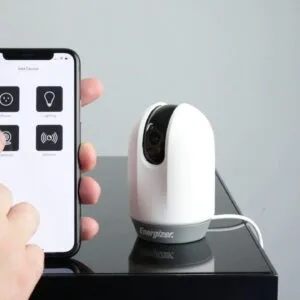


Heres a chance to optimize your living spaces with advanced lamps that are not only effective but also unoccupied in terms of wasted resources. By integrating these fixtures, you can significantly lower your overall power consumption while enhancing the ambience of your property. The technology behind these innovations allows for both energy efficiency and flexibility, offering you the ability to adjust lumens according to your needs.
- Smart LED bulbs cut lighting energy use by up to about 80 percent versus incandescent bulbs.
- Remote control and scheduling via apps enable automation, dimming, and real-time energy monitoring.
- Motion sensors and daylight adjustments reduce wasted power in unoccupied or bright areas.
- Most smart bulbs fit standard sockets but may require a hub or specific app for full features.
- Longer lifespans and lower wattage deliver long-term cost savings and reduced carbon footprint.

With user-friendly management systems, you can control these devices remotely via a simple interface, whether at home or away. Commands for dimming and turning them on or off can be executed effortlessly through your smartphone, saving you both time and money. This slight upgrade in your lighting setup can make a crucial difference in your daily routine, providing an unparalleled level of convenience.
Furthermore, the seamless integration with existing wi-fi sockets ensures that these lamps last longer and work effectively with other smart systems in your home. Ensuring compatibility with other devices allows for a cohesive approach to home security and management, where unoccupied spaces can be monitored efficiently. In a world where every bit of power counts, making informed choices in lighting can lead to smarter energy usage and enhanced property value.
Understanding Energy Savings with Smart LED Bulbs

To maximize savings, it’s essential to implement smart lighting solutions across various areas in your home. For example, switching out traditional lighting with high-efficiency bulbs can significantly reduce your monthly electricity costs. Popular options like the Philips Hue White and Color Ambiance bulbs or the Wyze Bulbs can easily be installed in any room, including garages and even outdoor areas.
Understanding how these lights work involves evaluating different functionalities that they offer. They require a compatible hub or app for control, which helps in monitoring energy consumption through user-friendly interfaces. By viewing real-time data, users can identify patterns and optimize their lighting usage based on lifestyle needs.
When you evaluate installation options, consider integrating lighting that involves sensors. Brands such as LIFX provide bulbs that adjust brightness based on the time of day, ensuring that energy isn’t wasted during daylight hours. Additionally, creating schedules through compatible apps can automate when your lights turn on and off, making it very efficient.
Implementing smart solutions isn’t just limited to ambiance; they can also be used for practical purposes. For instance, having lights automatically turn on when you enter a room can optimizing energy consumption. Products from brands like Sengled come with motion detection capabilities, perfect for higher traffic areas like hallways and garages.
By investing in these technologies, you can create a sustainable environment, leading to lower utility bills while maintaining a comfortable and welcoming space. This switch not only advances your home to an advanced lifestyle but makes a real difference to the environment too.
How Much Energy Can Smart LED Bulbs Save?
When looking to enhance your lifestyle, considering energy-efficient lighting is crucial. Reports suggest that switching to modern bulbs can reduce your lighting costs by up to 80%. This substantial lowering of expenses makes them a financially sound choice for any energy-saving plan.
It’s important to note that the technology behind these bulbs not only provides sufficient light but also offers various applications that contribute to household security and comfort. For instance, brands like Philips Hue and LIFX provide smart lighting options that you can control remotely via apps, turning them into useful tools for everyday life.
By creating a smart lighting plan, users can offset energy consumption during peak hours, further enhancing savings. Additionally, with features like dimming capabilities, these bulbs adjust to your needs, ensuring that you are not wasting energy when it’s not needed.
Consider the potential of integrating features that allow you to automate your lights based on your routine. For example, products such as Sengled Smart Wi-Fi LED or Wyze Bulbs are designed to help you save energy while providing the security of knowing your home is well-lit even when you are not there. This dual benefit makes investing in smart lighting a practical decision.
In conclusion, making the switch to energy-efficient bulbs can positively impact your wallet and the environment. With the right choices and technology, you can turn your lighting into a powerful ally in achieving both energy savings and a modern home experience.
Comparing Smart Light Sources to Traditional Incandescent Options
When evaluating the potential benefits of modern light sources versus older incandescent options, several factors come into play. One major point is the significant savings on energy bills. For instance, a typical incandescent bulb uses about 60 watts, while a corresponding smart option can deliver the same brightness with only 10-12 watts. Check out the TP-Link Kasa Smart Wi-Fi Bulb, which provides excellent illumination while helping you reduce your consumption.
Heres a breakdown of key differences that can help you decide. Traditional sources generally have a shorter lifespan, typically around 1,000 hours, compared to smart options that can last up to 25,000 hours. This means fewer replacements and less waste, making smart choices more eco-friendly. Additionally, the ability to adjust temperatures with models like Philips Hue White and Color Ambiance lets users tailor the ambiance according to their routines.
| Feature | Traditional Incandescent | Smart Option |
|---|---|---|
| Wattage | 60 watts | 10–12 watts |
| Lifespan | 1,000 hours | 25,000 hours |
| Temperature Control | No | Yes |
| Compatible with Management Assistants | No | Yes |
Implementing routines with dedicated apps allows for seamless integration into your lifestyle. For example, you can schedule when your lights turn on or off, or even dim them according to different times of day. This feature is not available in traditional models, making their management less efficient. Products like the LIFX Color A19 are designed to assist in this modern living experience.
In conclusion, upgrading to state-of-the-art light sources not only improves energy management but also offers flexibility in usage. With data-backed routines and various temperature settings, these innovative options create a more tailored living space while reducing your overall energy footprint.
Calculating Long-Term Cost Benefits
To maximize your investment in energy-efficient lighting solutions, it’s essential to evaluate the long-term financial advantages. For instance, when choosing replacements for traditional fixtures, consider those that consume less than 10 watts while providing ample brightness. This simple choice can lead to significant reductions in your electricity bills over time.
For someone looking to change their lifestyle with energy-saving options, installing intelligent lighting in various rooms can be a game-changer. These products often come with specifications that allow them to be easily controlled via hubs or mobile apps, giving users the flexibility to adjust settings according to their needs. For example, a popular option on Amazon is the Philips Hue White A19 LED, which can integrate seamlessly into any room.
When considering installation, remember to avoid hardwired options if you prefer a less permanent setup. Bulbs like the Wyze Bulbs provide an effortless solution. Their ease of installation and ability to be controlled remotely allows users to increase convenience and adjust lighting according to the time of day or available natural light from the blinds.
In terms of costs, the initial investment may seem higher compared to traditional bulbs, but the longevity and reduced energy consumption result in an overall decrease in expenses. Some scenarios, such as frequent use in high-traffic areas, indicate that the benefits extend beyond mere cost savings–these fixtures contribute to a more comfortable home environment by reducing heat produced during standby.
In summary, when looking for lighting solutions, evaluate the wattage, installation flexibility, and overall benefits. The comparison between conventional lighting and modern alternatives reveals substantial savings that can significantly enhance your daily life.
Impact on Carbon Footprint Reduction
Using modern lighting solutions can greatly minimize individual carbon footprints when evaluated together with traditional options. A significant advantage lies in the lifespan and efficiency of these innovative fixtures, requiring less frequent replacements and lowering overall waste. For instance, products like Philips Hue and LIFX not only provide customizable colors but also connect seamlessly with platforms like HomeKit, enhancing everyday usability.
Owners notice the reduced monthly costs quickly, as these devices consume less energy while delivering better illumination. Each bulb contributes to a collective impact that aligns with public goals of sustainability. As users adapt their habits, considering smarter choices is essential for the environment. Someone looking to cut back significantly will find that transitioning from conventional lighting to advanced varieties leads to lower emissions and a healthier planet.
Moreover, many of these products offer a user-friendly setup, making the process of installing them straightforward. The connectivity between devices allows for better control and automation of lighting systems. For example, integrating features that adjust based on daylight can further decrease energy usage while providing comfortable illumination at home.
Finally, regular updates in news related to these technologies highlight ongoing developments that address current ecological issues. Each innovation brings with it the potential to redefine personal energy consumption, proving that combining smarter lighting choices with mindful habits can lead to substantial environmental benefits.
Control Features of Smart Bulbs
One of the primary advantages is their ability to connect via wi-fi, allowing seamless integration into any home or office setup. Devices like the Philips Hue White and Color Ambiance offer many options for customization, helping users personalize their lighting preferences. You can adjust brightness, color temperature, and even create schedules. This level of control ensures that your environment suits your mood, whether you prefer warm tones or daylight shades.
Motion detection adds a layer of convenience, as it allows the lights to turn on when you enter a room and off when you leave. This feature is especially useful in businesses, where sustainability and energy efficiency are essential. The LIFX A19 is an excellent example of a bulb that incorporates motion sensors. Users can set their preferences to conserve energy when the space is unoccupied.
Another impressive capability is the slight synchronization of lighting with circadian rhythms. Brands such as Wyze offer products that adjust automatically to the time of day, providing a more natural light experience. Such functionality delivers added comfort and energy management, which can be beneficial for budgeting.
Compatibility with various smart home systems is key when selecting a bulb. For instance, many users appreciate how the Philips Hue range works seamlessly with other smart devices. This ensures that your lighting system can be controlled together with home security, thermostats, and more.
For those looking for options that fit into standard sockets, products like the GE Lighting C by GE Smart LED provide versatility. These bulbs can be used in either halogen or traditional fixtures, making them a flexible choice for any setting. When considering upgrades, always look for insights on integration capabilities to make the right investment for your space.
Q&A:
What are smart LED bulbs and how do they differ from regular LED bulbs?
Smart LED bulbs are innovative lighting solutions that can be controlled remotely via smartphones or smart home systems. Unlike regular LED bulbs, which provide basic lighting, smart bulbs offer features such as adjustable brightness, color changing options, scheduling, and integration with other smart home devices. This allows users to customize their lighting experience and create various moods or settings within their homes.
How much energy can I save by using smart LED bulbs compared to traditional incandescent bulbs?
Switching from traditional incandescent bulbs to smart LED bulbs can lead to significant energy savings. Smart LED bulbs typically consume about 80% less energy than incandescent bulbs while providing the same amount of light. For instance, a 10-watt smart LED bulb can replace a 60-watt incandescent bulb, making it a cost-effective choice over time. These savings can add up, especially in homes with multiple light fixtures.
What control options are available for smart LED bulbs?
Smart LED bulbs offer a variety of control options. Many can be operated through mobile apps, which allow users to turn lights on or off, adjust brightness, change colors, and set schedules. Voice control is another popular feature, with compatibility for assistants like Amazon Alexa, Google Assistant, and Apple HomeKit. Some models even support automation features, allowing lights to react based on specific conditions like time of day or occupancy.
Are smart LED bulbs compatible with existing light fixtures?
Most smart LED bulbs are designed to fit standard light fixtures, such as E26 or E27 sockets, making them compatible with a wide range of existing lighting setups. However, it’s important to check the specifications of both the smart bulb and your fixture to ensure compatibility. Additionally, some smart bulbs may require a hub or specific app for optimal functionality, so be sure to review the manufacturer’s requirements before making a purchase.
Can I use smart LED bulbs outdoors, and what should I consider?
Yes, some smart LED bulbs are designed for outdoor use, but it is crucial to choose bulbs that are rated for such environments. These bulbs are typically weather-resistant and can withstand exposure to elements like moisture and temperature fluctuations. When selecting outdoor smart bulbs, consider their brightness, color options, and connectivity, as a strong Wi-Fi signal is often required for proper functionality. Additionally, placement should be strategic to avoid coverage issues and to enhance security lighting if needed.
What are the main energy savings associated with using smart LED bulbs?
Smart LED bulbs are designed to consume less electricity than traditional incandescent bulbs. They can be up to 80% more efficient, which leads to significant savings on energy bills over time. For instance, if you replace a 60-watt incandescent bulb with a 10-watt smart LED bulb, you can expect a reduction in energy usage, especially if the bulbs are used frequently. Additionally, many smart LED bulbs have features like scheduling and dimming, which can further enhance energy savings by allowing users to minimize usage during peak hours or when not needed. As a result, not only do smart bulbs help the environment by reducing power consumption, but they also provide cost savings for households.


