


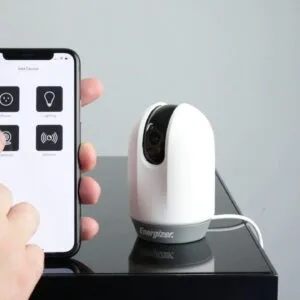


Technology and Advantages of Smart Light Bulbs are transforming the way we illuminate our homes, combining innovative lighting technology with convenience, energy efficiency, and complete control over atmosphere and comfort. Smart light bulbs allow you to adjust brightness, color temperature, and even colors directly from your smartphone or voice assistant, creating personalized lighting for every moment. By understanding the Technology and Advantages of Smart Light Bulbs, you can enhance home automation, reduce energy consumption, and design a smarter, more responsive living space that adapts perfectly to your lifestyle.
- Remote control and voice integration let users adjust brightness, color temperature, and scenes from smartphones or assistants.
- Energy efficiency and longer lifespans reduce electricity bills and household waste compared to traditional bulbs.
- Multiple protocols like Wi-Fi, Zigbee, and Bluetooth offer flexibility for hubs, mesh networks, or hubless setups.
- Simple plug-in installation and companion apps enable quick setup, scheduling, and automation for daily routines.
- Security and network reliability matter; use strong passwords, firmware updates, and stable connections to prevent vulnerabilities.

Installing intelligent illumination systems is a simple yet effective way to reduce energy consumption in your home. These devices typically operate on protocols like Bluetooth or Z-Wave, allowing for enhanced control over your lighting environment. By making such an investment, you not only contribute to a greener climate but also experience significant savings on your electricity bills.
These devices provide a seamless user experience by allowing you to control them from your smartphone or other external gadgets. With a simple plug-in and setup process, you can get started in no time. Imagine dimming the lights or changing colors while watching a movie–all done with a touch of a button. It’s common for users to overlook how much these small adjustments can elevate the ambiance of their home.
Moreover, intelligent systems often outlast traditional bulbs. They generally break less frequently and have a longer lifespan, reducing waste. In conclusion, the combination of energy savings, enhanced functionality, and inviting aesthetics makes these innovative lighting solutions a worthwhile addition to any household. So, what are you waiting for? Make the switch today and enjoy a smart living space that will not stop impressing you over time.
Understanding Smart Light Bulb Technology
When looking for a reliable source of illumination that offers modern convenience, consider choosing a product that connects directly to your existing home network. These bulbs usually come with a screw socket for easy installation, making it simple to switch from traditional options. One of the main advantages is the ability to control them remotely using various platforms.
Automation is a key feature, allowing you to create an inviting environment at home. With just a click, you can adjust the brightness and color temperature, usually measured in lumens. Products like the Philips Hue White and Color Ambiance bulbs provide a wide range of options, including cool white to cozy warm tones, catering to different moods and settings.
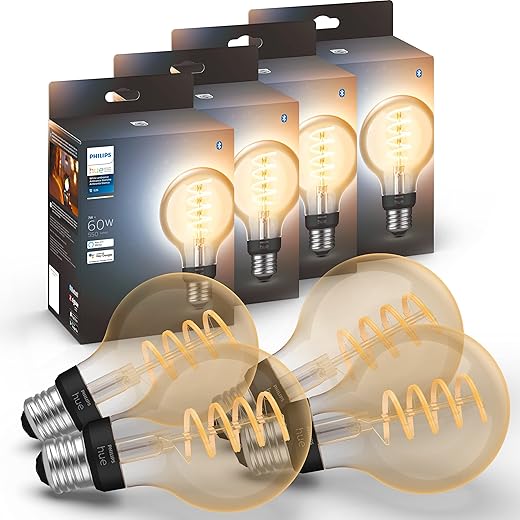
Philips Hue Smart 60W G25 Filament LED Bulb - White Ambiance Warm-to-Cool White Light - 4 Pack - 550LM - E26 - Indoor - Control with Hue App - Works with...
Another significant benefit is the potential to save energy. By using cloud-based technology, these bulbs can optimize their performance, ensuring that they operate efficiently, especially over long distances. The Govee Smart Light Bulbs can be an excellent choice, as they continue to embrace innovation and offer features that let you take control of your lighting preferences.

Govee Smart Light Bulbs, Color Changing Light Bulb, Work with Alexa and Google Assistant, 16 Million Colors RGBWW, WiFi & Bluetooth LED Light Bulbs, Music...
Ensure that your network has a steady transmission; otherwise, you might experience interruptions. Some users prefer not to stop at just lighting; they integrate these devices into their smart home ecosystems, enhancing their overall experience. Worth mentioning is the Wyze Bulbs, which not only fit seamlessly into existing setups but also connect with other smart devices, creating an automated environment tailored to your needs.

Wyze Lifestyle Bulb Color, 1100LM Wi-Fi A19 Smart Bulb, 16 Million Colors & Tunable White, Works with Alexa and Google Assistant, 75W Equivalent, Dimmable,...
How Do Smart Light Bulbs Connect to Your Network?
To connect advanced lighting options to your network, it’s essential to choose the right protocol. Many devices utilize Wi-Fi or Z-Wave for seamless integration. For example, bulbs that use Z-Wave can work well with hubs like SmartThings, which helps manage various smart devices from one platform. Consider looking for products like the Philips Hue White and Color Ambiance A19 LED Smart Bulb available on Amazon, which offers easy Wi-Fi connectivity.

Philips Hue A19 LED Smart Light Bulb - White and Color Ambiance - 60W Indoor Light Bulb - Control with Hue App - Works with Alexa, Google Assistant and Apple...
When setting up these modern lighting systems, the user typically needs to download an app. This app often includes features for creating schedules, adjusting brightness, and even using voice-activated controls through services like Amazon Alexa. For instance, a smart bulb with built-in voice features can allow users to control lighting with simple commands, making it a user-friendly addition to any home.
The network connection won’t just be about turning lights on and off; it significantly shapes your energy bills as well. Many models come with energy-saving options that can automatically adjust based on the time of day, so they’re often a cost-effective choice. A practical approach could be to start with a few key bulbs, perhaps ones that can be grouped together for easy management through the app.
In conclusion, understanding the various protocols and how they work with your devices can drastically enhance your smart home experience. Advancing technology continues to offer numerous options for users like Paul, who wants efficiency and convenience in their everyday lives. Investing in quality lighting solutions on platforms like Amazon not only upgrades your space but can also simplify your routine.
Different Protocols: Wi-Fi, Zigbee, and Bluetooth
To ensure top-notch performance when integrating lighting solutions, it’s essential to choose the right communication protocol. Here’s a quick rundown of the most popular options: Wi-Fi, Zigbee, and Bluetooth.
Wi-Fi is widely embraced for its ease of use and compatibility with existing home networks. Devices like the TP-Link Tapo L530E are great examples where you can control lighting directly from an app using your Wi-Fi connection. For those who want constant access without additional hubs, Wi-Fi offers reliable connectivity. However, it can consume more energy compared to other options.
Zigbee plays a significant role in the smart home ecosystem, providing a mesh network that enhances reliability and saves energy. Devices such as the Philips Hue Bridge utilize this protocol, allowing multiple fixtures to communicate effectively while maintaining secure connections. Zigbee is designed for low-energy performance, making it an ideal choice for users looking to shape their system for efficiency.

Philips Hue Bridge, Unlock The Full Potential of Hue Bridge System, Multi-Room and Out-of-Home Control, Create Automations and Zones, Smart Lighting Hub,...
Bluetooth is particularly useful for proximity-based controls, making it user-friendly for those who prefer to operate setups directly from their smartphone. Products like the LIFX Mini Color feature built-in Bluetooth, enabling quick adjustments without the need for complicated setups. Although its range is shorter, Bluetooth provides an intuitive way to control lighting when you’re close by.

LIFX Color, A19 800 lumens, Wi-Fi Smart LED Light Bulb, Billions of Colors and Whites, No Bridge Required, Compatible with Alexa, Hey Google, HomeKit and...
In some cases, combining these protocols can produce the best results. For instance, using a hub that supports both Zigbee and Wi-Fi allows users to take advantage of the benefits each source provides, such as enhanced reliability and modern energy-saving features. Addressing potential connectivity problems is key to creating a seamless smart home experience.
Choosing correctly among these protocols depends on your specific needs and how you want to interact with your lighting setup. Embracing the right communication channel is vital for making the most of your lighting controls!
Inside the Bulb: Key Components Explained
The heart of an intelligent illumination device lies in its core components. Effective operation starts with integrated technology that allows for various communication protocols, such as Z-Wave and Bluetooth-enabled systems. These protocols enable the transmission of signals, allowing users to control lights easily from their devices or through virtual assistants.
Typically, bundles of products come equipped with a dimmer, ensuring that you can adjust brightness levels according to your preferences. For example, the Philips Hue White and Color Ambiance LED Smart Bulb works seamlessly with Amazon Alexa, giving you the option to set preset lighting scenarios without the need for manual switches. This kind of convenience has started to appeal to many Americans, particularly those who appreciate the blend of comfort and high-tech living.

Philips Hue Essential Smart LED A19 Bulb, White and Color Ambiance, E26 Base, 8.8W, 2200K-6500K, 800 Lumens, Dimmable, Works with Alexa, Google, and Apple...
Security is essential when adopting innovative lighting solutions. Many brands prioritize this by incorporating features that protect your connection, ensuring that your data remains safe while you enjoy the benefits of smart lighting. Connecting to a reliable network is crucial; for instance, products that use kobles (cable connections) may lack the flexibility of their wireless counterparts but still offer reliable performance when well-implemented.
Using these devices also allows you to integrate them with home automation systems. Switches that can communicate with both lighting and other devices can be a game changer. The Ecolink Z-Wave Smart Motion Sensor is an excellent example of combining functionality with security, making it easier for you to manage your home’s lighting based on motion activity.

Ecolink Intelligent Technology Z-Wave Pet Immunity Motion Detector with Pet Immunity, White (PIRZWAVE2-ECO)
In conclusion, understanding the key components within these devices enhances your ability to utilize their full potential. With advancements happening regularly, it’s worth exploring options that fit your lifestyle, ensuring an effortlessly lit space at all times.
Setting Up Your Intelligent Lighting System
Begin your installation by choosing a compatible lamp. Look for options that support various sizes, ensuring a snug fit in your existing fixtures. Popular choices on Amazon include the Philips Hue White and Color Ambiance A19 and the LIFX Mini. These models drop right in without the need for additional equipment.
Next, set up a reliable hub or bridge to connect your external devices. This is crucial for seamless communication between units. If you’re using Philips Hue, consider the Philips Hue Bridge, which means you won’t accidentally lose connectivity. For those who prefer a hubless approach, options like LIFX utilize Wi-Fi and can link directly to your devices.
Once everything’s in place, download the relevant app. The installation process is easy and doesn’t require expert knowledge. Follow in-app instructions to connect each lamp and customize settings. You can adjust brightness, create schedules, or even set conditions based on your presence. For instance, if you’re away from home, you can program your lights to turn off automatically, enhancing energy efficiency.
In scenarios where you want to improve mood or ambiance, consider combining these lamps with smart conditions or external sensors. For example, placing a motion detector near your front door allows lights to turn on automatically when someone approaches. This intelligent setup not only adds convenience but also increases security.
Finally, ensure your home network is optimized to support the system. If your Wi-Fi drops frequently, consider installing range extenders or upgrading your router. These small adjustments can drastically improve the performance of your intelligent lighting and prevent frustrating outages.
In conclusion, with proper planning and setup, transforming your home into an intelligent environment is straightforward and rewarding!
Choosing the Right Smart Bulbs for Your Home
When selecting automated lighting solutions, prioritize products that connect seamlessly to your home network. Consider those with premium features such as dimming capabilities and customizable color options. For instance, the Philips Hue White and Color Ambiance bulb stands out for its versatility, allowing you to tailor your lighting based on mood or occasion.
Traditional incandescent options pale in comparison when it comes to energy efficiency, offering limited savings. Look into features like remote controlling, which enables you to manage your lights from anywhere, even during an outage. This means your home can still feel secure with lights automatically turning on when you’re away.
For added reliability, consider bulbs that use Z-Wave technology, which works well in larger homes with complicated wiring. This protocol keeps your connections strong and reduces the chances of your lights being unavailable. Wireless options are particularly beneficial for installations in hard-to-reach places, allowing for easy adjustments.
Having smart features can greatly increase your convenience. Look for professional-grade products that can automate functions based on your daily habits. For example, timers can stop lights from being left on for hours, ensuring maximum energy savings.
Keep in mind your individual needs when choosing: if you want to control everything locally, select models compatible with your existing smart home system. Each bulb should provide a tailored experience that fits seamlessly into your lifestyle.
Step-by-Step Installation Process
To begin the installation, ensure you have a compatible fixture ready for the new bulb. Most devices work with standard sockets, so check the specifications of your existing setup. Some bulbs, like the Philips Hue White and Color Ambiance, are directly suited for this purpose.
Start by turning off the power to the fixture at the switch or circuit breaker. Safety is essential, as you don’t want any accidents while changing your lighting. Once the power is off, remove the old bulb by unscrewing it. Take a moment to note the type of bulb you removed, as this will guide you in selecting the right replacement.
Next, unpack your new bulb and inspect it for any damage. After confirming it’s in good shape, screw the new bulb into the socket firmly but gently. If you’ve chosen a dimmer-compatible option, like the LIFX A19, ensure your setup can handle dimming functions to adjust brightness levels seamlessly.
After securely installing the bulb, it’s time to turn the power back on. Flip the switch and watch your new lighting make an impact. Use your connected app, like the one from Sengled, to integrate the bulb into your smart home system. You’ll typically need to create an account and follow the app’s guided setup instructions.
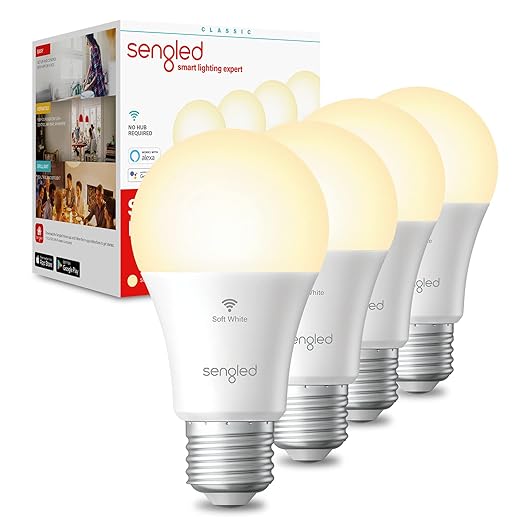
Sengled Alexa Light Bulb, Smart Light Bulbs, Smart Bulbs That Work with Alexa & Google Assistant, WiFi Light Bulbs A19 Soft White (2700K) No Hub Required,...
Once everything is connected, take a few moments to explore the features offered. You can adjust brightness, set presets for different times of day, and create a unique ambiance suited to your preferences. For instance, you might want warmer tones during relaxing hours or brighter light for work.
Testing is critical. Use the app to turn the bulbs on/off and experiment with distances for optimal performance. Some bulbs can work from various locations, while others may require closer proximity to your router. If you encounter issues, consult online resources or consider reaching out to a professional to help with any integration problems.
In summary, enjoy the benefits a connected bulb offers to your household. By taking just a few minutes, you can transform lighting into a fully functional part of your living space, enhancing not only aesthetics but also the overall atmosphere. Happy lighting!
Integrating Smart Bulbs with Home Automation
To seamlessly integrate your lighting solutions with home automation, the best approach is selecting bulbs that connect via Wi-Fi. These options easily manage existing networks and require minimal setup time. For instance, the Philips Hue White and Color Ambiance is an excellent choice, providing versatility and compatibility with various systems.
When considering installation, look for bulbs with a diameter that fits standard fixtures, ensuring your upgrade doesn’t require additional hardware. These devices are usually limited to a specific range of functionalities, but with built-in integration, they can enhance convenience in your daily routine.
Regardless of your home setup, you can find solutions that work locally without relying on the cloud. This ensures your devices remain operational even if internet connectivity breaks. An example is the LIFX A19, known for its rapid connectivity and ease of use. They offer various features that can be customized via mobile apps, making them user-friendly.
In comparison to traditional lighting, smart options tend to offer a longer lifespan, ultimately providing greater energy efficiency. They can be programmed to turn on or off based on a set schedule, which enhances your home’s automation scenarios. For example, you could set the bulbs to illuminate at dusk and turn off at dawn, allowing for effortless management of your lighting.
Moreover, experimenting with different automation codes can further unlock potential. Products like the Wyze Bulbs ensure you can keep costs down while enjoying advanced features. Always check for compatibility with your existing automation system to get the most out of your lighting network.
Q&A:
What are the main components of a smart light bulb?
Smart light bulbs typically consist of several key components: an LED light source, a microcontroller for processing data, a communication module (such as Wi-Fi, Zigbee, or Bluetooth) for connecting to the home network, and sometimes sensors for detecting ambient light or motion. These elements work together to allow the bulb to be controlled remotely and to interact with other smart home devices.
How do smart light bulbs connect to my home Wi-Fi network?
Smart light bulbs connect to a home Wi-Fi network through a communication module built into the bulb. Users usually install a companion app on their smartphone to facilitate the setup process. During setup, the app will guide users through steps that typically involve providing the Wi-Fi credentials to the bulb, allowing it to join the network and become controllable via the app or voice commands through smart assistants.
What benefits do smart light bulbs offer compared to traditional bulbs?
Smart light bulbs provide a range of advantages over traditional incandescent or CFL bulbs. These benefits include remote control capabilities, allowing users to adjust brightness and color from their smartphones; scheduling features for automating lighting based on routines; energy efficiency, as many smart bulbs consume less power; and integration with smart home ecosystems, enabling users to create complex lighting scenes or automation linked with other devices like security systems or thermostats.
Can I use smart light bulbs with standard light fixtures?
Yes, smart light bulbs are designed to fit into standard light fixtures, just like traditional bulbs. Most smart bulbs are available in common sizes and bases, such as A19 or E26. It is important to check the compatibility of the smart bulb with your fixture and any specific requirements, such as dimmer switches, as some smart bulbs may not work well with traditional dimmer systems.
Are there any security concerns with using smart light bulbs?
Yes, there are potential security concerns associated with smart light bulbs, primarily due to their connectivity features. If not properly secured, smart bulbs may become vulnerable to hacks that could allow unauthorized access to a user’s home network. To mitigate these risks, it’s recommended to use strong, unique passwords for both the smart bulb app and home Wi-Fi network, enable two-factor authentication if available, and keep firmware updated to patch any security vulnerabilities.


